

Strengthening ADR and Legal Collaboration: CIArb Kenya’s Courtesy Call to the Law Society of Kenya

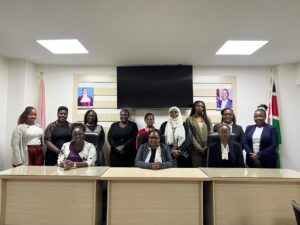
On 16th July 2025, the Chartered Institute of Arbitrators (CIArb) Kenya paid a courtesy call to the Law Society of Kenya (LSK), marking a significant step toward deepening collaboration in the field of Alternative Dispute Resolution (ADR) and legal capacity building in Kenya.

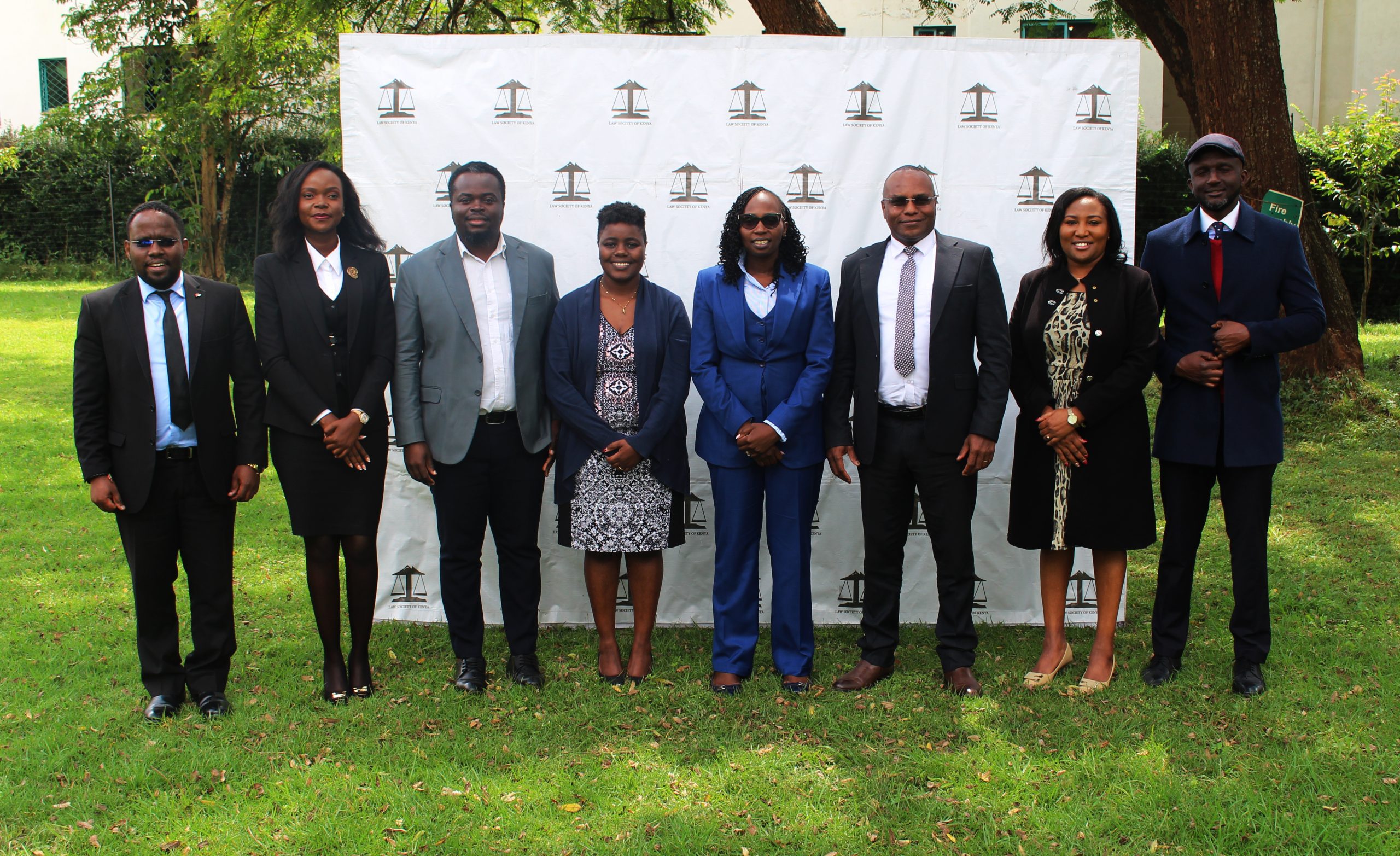
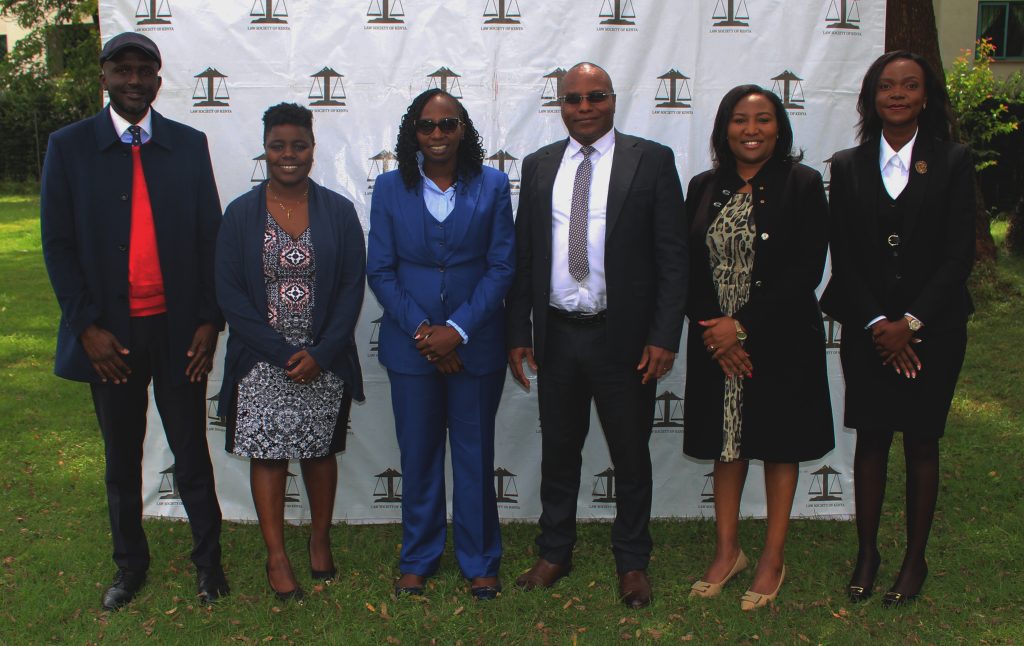
The meeting, held at the LSK offices, brought together leaders from both organizations, including LSK President Faith Odhiambo and CIArb Kenya Chairperson Prof. Wyne Mutuma. Discussions focused on forging strategic partnerships in training, ethics, mentorship, and policy reform.

Prof. Wyne Kenneth, C.Arb with Faith Odhiambo, MCIArb.

CIArb Kenya emphasized the need for joint training programs, including Accelerated Routes to Membership and Fellowship, targeted at advocates, as well as co-branded CPDs and webinars. They also extended invitations for LSK’s participation in upcoming conferences, including a mediation panel at the LSK Annual Conference in August and the ADR Week in November.

Evelyne Kimani,MCIArb, Faith Odhiambi,MCIArb, Prof. Wyne Kenneth, C.Arb & Florence Muturi

President Odhiambo welcomed the proposals and expressed strong support for youth-focused mentorship, accessible training, and a unified regulatory framework to uphold integrity in the legal profession. She also encouraged efforts to promote mediation and explore ADR’s role in human rights and public interest dispute resolution.

Other key proposals included launching a joint academic journal, co-authoring policy papers, and conducting research on the state of ADR in Kenya.

The two institutions agreed to establish a joint committee to develop concrete action plans, with a commitment to formalizing their partnership through an MoU.

This engagement marks a pivotal moment in strengthening ADR practice and promoting professional growth in Kenya’s legal landscape.

More Insights

Uncategorized

ROUNDTABLE REPORT: Alternative Dispute Resolution for Small and Medium Enterprises in Kenya

1. Background and Context  Small and Medium Enterprises (SMEs) form the backbone of Kenya’s economy,  contributing approximately 33% of GDP and employing over 80% of the workforce outside  the agricultural sector. Despite this significance, SMEs remain disproportionately exposed  to commercial disputes that are costly, protracted, and frequently unresolved through  formal judicial channels.  The Chartered Institute of Arbitrators (Ciarb) Kenya Branch convened a multi-stakeholder  roundtable to interrogate the landscape of dispute resolution for SMEs, assess the efficacy  of existing mechanisms, and identify entry points for scalable Alternative Dispute  Resolution (ADR) interventions. The roundtable convened representatives from the Micro  and Small Enterprise Authority (MSEA), the Judiciary, the Kenya National Chamber of  Commerce and Industry (KNCCI), the financial sector, the insurance industry, and the  youth entrepreneurship ecosystem.  This report summarises the deliberations and perspectives presented by each  stakeholder group, and distills shared conclusions, identified gaps, and proposed areas of  partnership.  2. Micro and Small Enterprise Authority (MSEA) — Perspective  Presenters: Maureen Gachogo- Registrar.                       :Agnes Thiong’o- Senior legal officer.  2.1 Nature and Typology of Disputes in the SME Sector  MSEA’s frontline engagement with the SME ecosystem reveals that disputes within this  sector are diverse in character and frequently multi-layered. The Authority identified three  principal categories of disputes commonly encountered:  •Governance disputes: These arise within SME structures, particularly cooperatives,  chamas, and registered business associations, where disagreements over  leadership, profit-sharing, decision-making authority, and member obligations  create internal fractures. Such disputes, if unresolved, often result in enterprise  dissolution or significant productive loss.  •Resource disputes – Land use: A recurring category of disputes involves access to  and use of land for business operations. These disputes frequently involve 

Read More