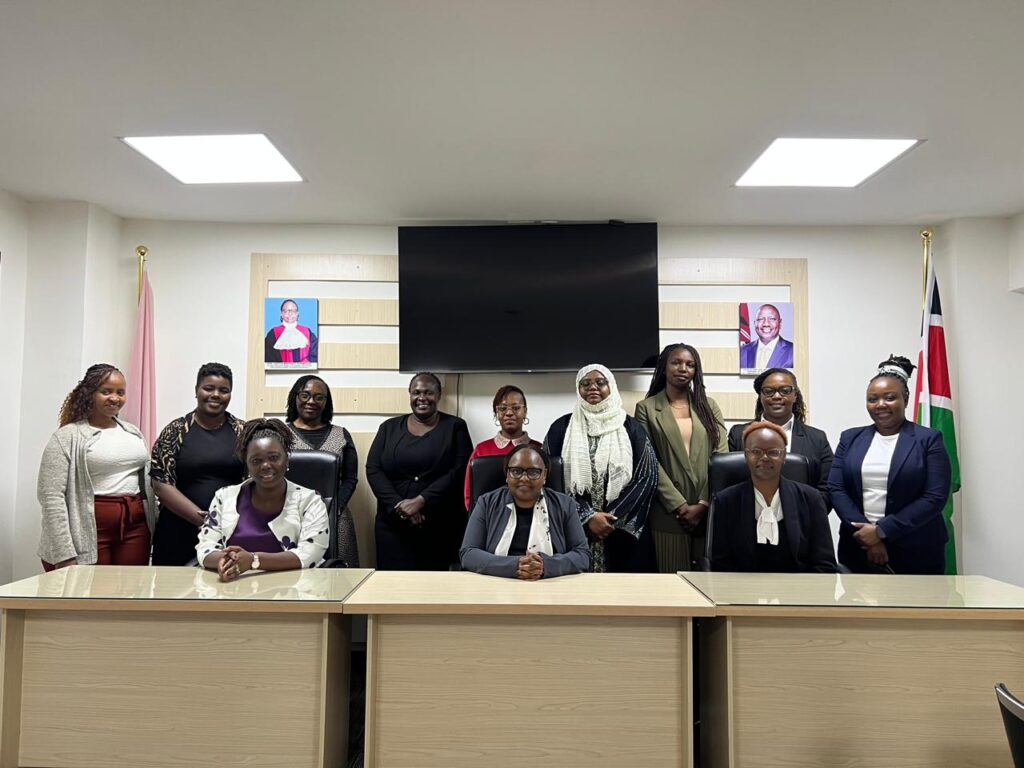
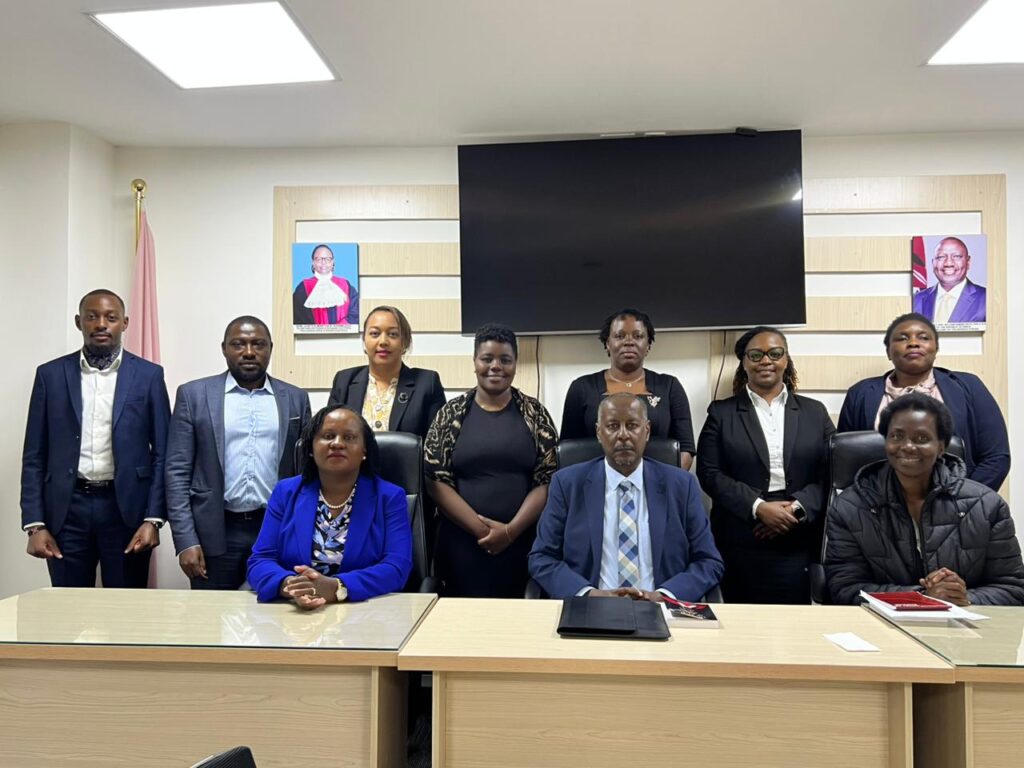
1. Background and Context Small and Medium Enterprises (SMEs) form the backbone of Kenya’s economy, contributing approximately 33% of GDP and employing over 80% of the workforce outside the agricultural sector. Despite this significance, SMEs remain disproportionately exposed to commercial disputes that are costly, protracted, and frequently unresolved through formal judicial channels. The Chartered Institute of Arbitrators (Ciarb) Kenya Branch convened a multi-stakeholder roundtable to interrogate the landscape of dispute resolution for SMEs, assess the efficacy of existing mechanisms, and identify entry points for scalable Alternative Dispute Resolution (ADR) interventions. The roundtable convened representatives from the Micro and Small Enterprise Authority (MSEA), the Judiciary, the Kenya National Chamber of Commerce and Industry (KNCCI), the financial sector, the insurance industry, and the youth entrepreneurship ecosystem. This report summarises the deliberations and perspectives presented by each stakeholder group, and distills shared conclusions, identified gaps, and proposed areas of partnership. 2. Micro and Small Enterprise Authority (MSEA) — Perspective Presenters: Maureen Gachogo- Registrar. :Agnes Thiong’o- Senior legal officer. 2.1 Nature and Typology of Disputes in the SME Sector MSEA’s frontline engagement with the SME ecosystem reveals that disputes within this sector are diverse in character and frequently multi-layered. The Authority identified three principal categories of disputes commonly encountered: •Governance disputes: These arise within SME structures, particularly cooperatives, chamas, and registered business associations, where disagreements over leadership, profit-sharing, decision-making authority, and member obligations create internal fractures. Such disputes, if unresolved, often result in enterprise dissolution or significant productive loss. •Resource disputes – Land use: A recurring category of disputes involves access to and use of land for business operations. These disputes frequently involve competing claims among traders, landlords, county governments, and community groups, particularly in the context of informal markets and open-air trading zones. The intersection of customary land tenure and formal title documentation renders these disputes complex and resistant to standard adjudicative processes. •Association and umbrella organisation disputes: SMEs affiliated with trade associations or apex bodies frequently experience disputes arising from membership obligations, levy allocation, and representational authority. These disputes tend to have sector-wide implications where the umbrella body exercises regulatory or quasi-regulatory functions. 2.2 Existing Dispute Handling Mechanisms …
The Chartered Institute of Arbitrators (Ciarb) Kenya Branch is pleased to announce its newly constituted Board of Directors, bringing together a distinguished team of professionals committed to advancing arbitration and Alternative Dispute Resolution (ADR) in Kenya, the region, and beyond.…
Event Details 📅 Date: 24th April 2026⏰ Time: 2:00 PM – 5:00 PM📍 Location: Ciarb Kenya Secretariat The global shift toward sustainable development is rapidly transforming how infrastructure projects are structured, delivered, and enforced. Environmental, Social, and Governance (ESG) commitments—once…
The Chartered Institute of Arbitrators (Ciarb) Kenya Branch held a special cocktail reception on Thursday evening to celebrate and honour several distinguished Board Members who are retiring after years of dedicated service to the Institute and the advancement of Alternative…
In today’s fast-paced professional environment, moments of pause are not just desirable they are essential. The Chartered Institute of Arbitrators Kenya Branch continues to champion not only professional excellence in dispute resolution but also the holistic well-being of its members.…