Africa Decides: Five Messages That Defined TAKUKA 2026
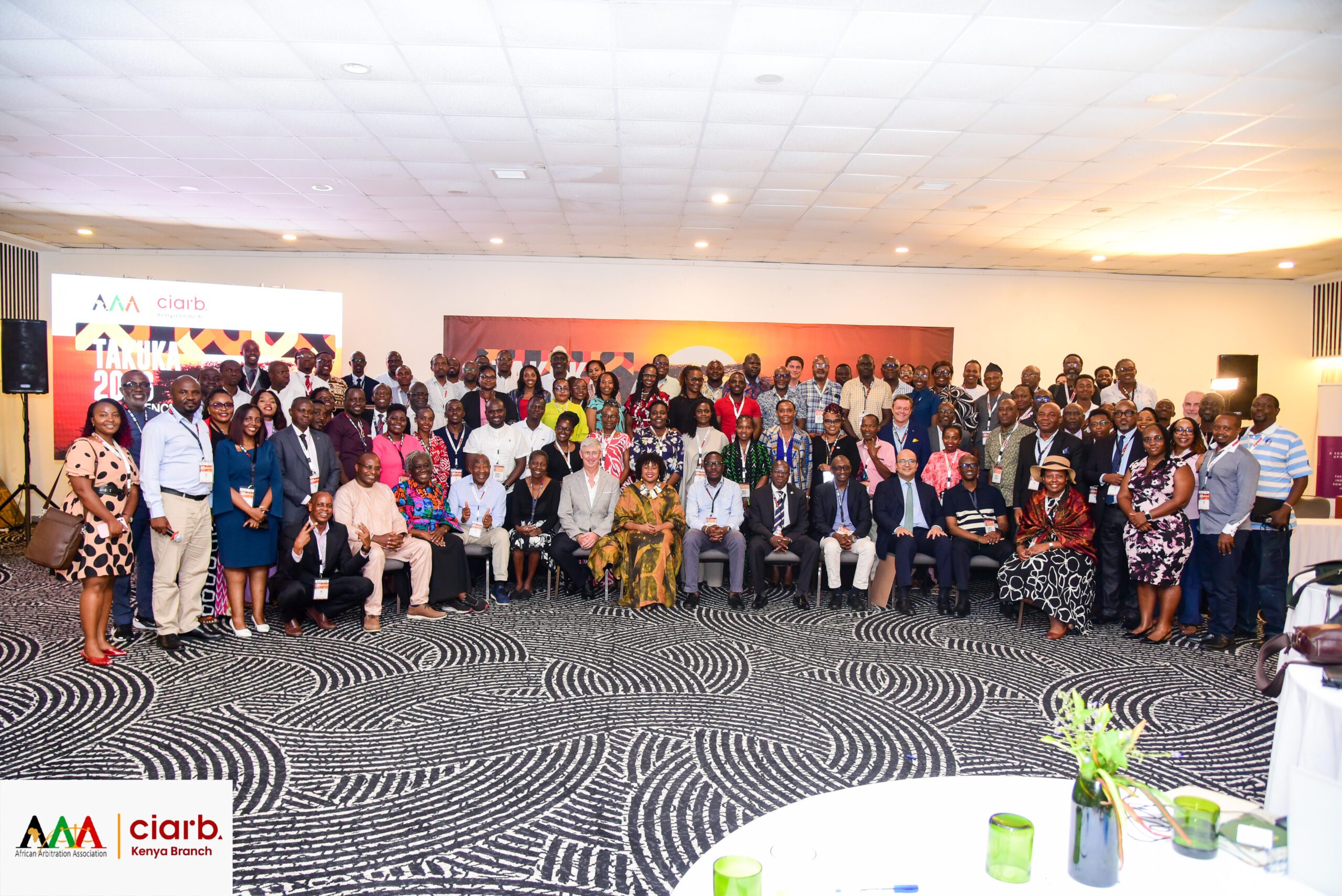
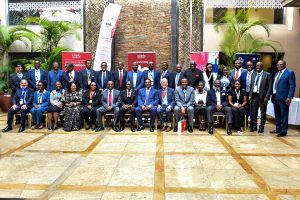
From 5th -9th October, 337 people from 16 countries gathered at Diamond Leisure Lodge in Diani, Kenya, for TAKUKA 2026. Arbitrators, mediators, adjudicators, sitting judges, government officials and young practitioners came together under one theme: Africa Decides: Sovereignty, Innovation and the Future of Dispute Resolution.
The name comes from the Swahili verb kutakuka, to rise with intention. The week was built to match. Monday asked where the future of the field lies. Tuesday diagnosed who currently decides. Wednesday examined the tools available to change that, and Thursday asked what it takes to make outcomes stick. Every session was designed to close with a named commitment, and the sessions produced 45 of them.
Across the sessions, five messages kept returning. Here they are, with the evidence behind each.
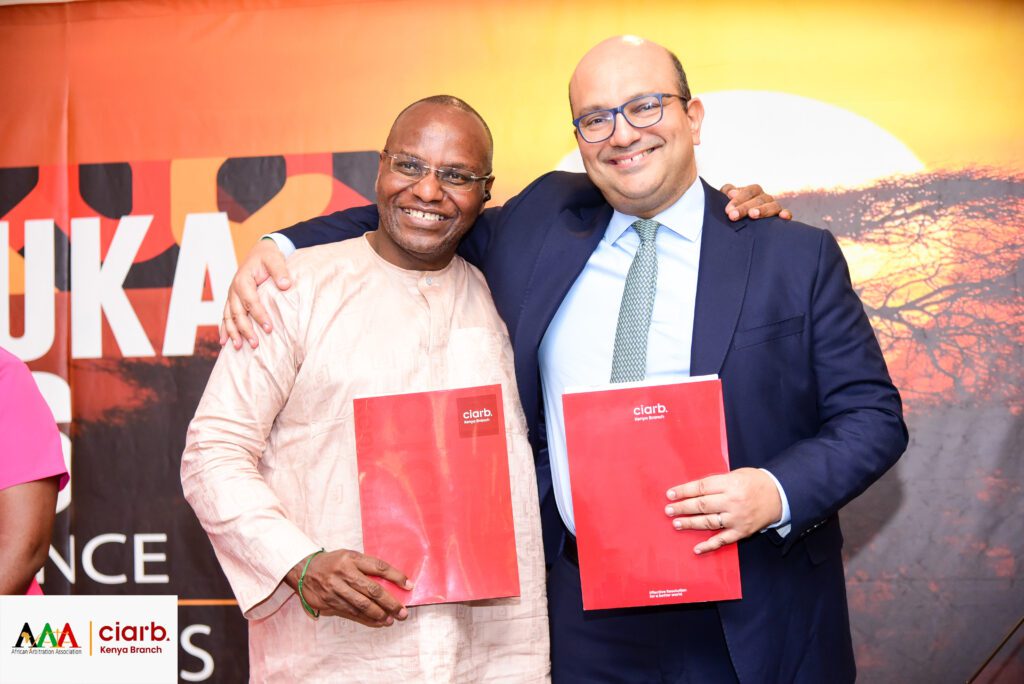
Ciarb Kenya Chairman with AfAA President after signing the declaration
Keep African disputes in Africa: the seat is a choice states can make
The numbers set the tone for Tuesday. In 2024, Sub-Saharan African parties made up 17 percent of LCIA arbitrations, and London was the seat in 89 percent of cases. In 2025 the African share was 13.1 percent, with London at 87 percent.
Panellists traced the pattern to legacy lender boilerplate clauses, perceptions of judicial delay, and the weak marketing of African seats, alongside real confidence in supervising courts and plain habit. African states and state-owned entities were themselves large users of foreign seats. Egypt, South Africa and Rwanda were named among the most competitive African seats. The conclusion was direct: states must refuse foreign seat clauses, legislatures should enact modern arbitration statutes based on the UNCITRAL Model Law, and regional centres must keep improving efficiency and transparency.
The most concrete response came from the top. The Attorney General of Kenya committed to a binding Executive Circular requiring state bodies to designate African arbitral seats and institutions in public procurement contracts, with a target of the first quarter of 2027. Thursday added the institutional side, with a forecast of consolidation into five or six strong regional centres that refer disputes to one another, and a Kigali and Nairobi referral arrangement that has already run for about three years.
2. The experience paradox: opening the door for young and women practitioners
Monday’s Young Members Group sessions named the problem plainly: appointments require experience, and experience comes mostly from appointments. Speakers added a presumption against the competence of young practitioners, closed rosters, and the cost in time and money of building a practice.
The room moved quickly from diagnosis to action. Commitments included a 15 percent quota for young practitioners in entry-level party-appointed arbitrations (first quarter of 2027), training for 200 young advocates in construction adjudication (December 2026), referrals from the Small Claims Court, reduced-cost training, a mentor for every registrant, and sponsored study through UNICAF.
On Thursday, the same argument was extended to women arbitrators. A retired judge led the Pledge on Equal Representation in Arbitration, which commits signatories to equal opportunity for women arbitrators, fair representation on rosters, panels and governing bodies, published gender statistics on appointments, and mentoring and sponsorship.
3. Fit the process to the dispute, not the dispute to the process
Wednesday made the economic case for matching the process to the problem. Standing dispute boards were put at 0.05 to 0.3 percent of contract value, against arbitration costs that can exceed 20 percent and project delays of two to three years. The 2026 ICC Rules raise the expedited procedure threshold to 5 million US dollars and add a new procedure for claims under 1 million US dollars, aiming for a final award within 90 days of the tribunal’s constitution.
In construction, delegates were told that fewer than six African adjudicators appear among more than 130 on the FIDIC President’s List, even though Africa hosts a large share of major FIDIC projects. A 22-page Model Pan-African Construction Adjudication Rules is due to be finalised and distributed by January 2027.
Thursday carried the theme into family and hybrid processes. One speaker proposed court-annexed family arbitration limited to property, custody and maintenance, while warning that domestic violence is unsuitable because arbitration presumes equal parties. For hybrid processes such as med-arb, the safeguards named were disclosure, written authorisation at each stage, and settlements adopted as consent awards. Whether one neutral can properly do both jobs was left open.
4. An outcome is only as strong as its enforcement
A good process is only as strong as its outcome. Thirteen African states have signed the Singapore Convention on mediated settlements, but only Nigeria and Mauritius have ratified it. Kenya’s position is under discussion in the Attorney General’s office and will go through Cabinet and Parliament under the Treaty Making and Ratification Act. A senior judge urged African states to sign and ratify without delay.
The same theme ran through the week’s other debates. Nigeria’s Arbitration and Mediation Act 2023 was presented as the continent’s first express regulatory model for third-party funding, with mandatory disclosure. On investment treaties, speakers pressed for right-to-regulate clauses and treaties drafted with African voices at the table. One panellist put the lesson memorably: clear written terms, not goodwill, are what protect African sovereignty.
DAVELLEVIZURA
We will be candid about what the week did not resolve. No panellist committed to a step on cross-border enforcement of hybrid outcomes. That gap is the clearest piece of work left on the table.
5. Own the tools, include the people: technology and community justice
The AI session supplied one of the week’s starkest figures: fewer than 10 of 56,000 AI patents originate in Sub-Saharan Africa, and training data skews heavily towards the Global North and towards men. The panel adopted a simple principle, trust nothing, verify everything, and urged written disclosure of AI use and human verification. The AI Protocol Working Group committed to publishing a Practice Note on Artificial Intelligence in African Arbitration by March 2027.
DAVELLEVIZURA
The same question of ownership applied to justice that predates every formal mechanism. Speakers noted that about 80 percent of disputes are resolved through people-centred mechanisms. These must meet constitutional and human rights standards, keep criminal offences outside their scope, and not exclude the roughly 15 percent of Africans who live with disabilities when they are digitised. In Kenya, the Alternative Justice Systems team committed to launching AJS functionality in the court case tracking system and publishing a first AJS case digest.
CIArb Kenya Branch Chairman FCS Jaqueline Waihenya expresses her deepest gratitude to all the valued partners, fellows, and members who attended the significant event of celebrating 40 Years of Excellence
A landmark initiative to advance trade law harmonisation, strengthen Kenya’s global commercial standing, and create new opportunities for legal professionals, businesses and the next generation of African commercial lawyers. Nairobi
The Chartered Institute of Arbitrators (Ciarb), Kenya Branch, invites applications for its Commercial Mediation Training & Accreditation Programme, designed for professionals seeking practical mediation skills and a pathway towards becoming
The Chartered Institute of Arbitrators (Ciarb), Kenya Branch, invites applications for the Introduction to Construction Adjudication Course, scheduled for 26th–27th November 2026, followed by an online assessment examination opening on