Ciarb Kenya Champions Policy-Embedded ADR at Strategic Infrastructure and Energy Roundtable
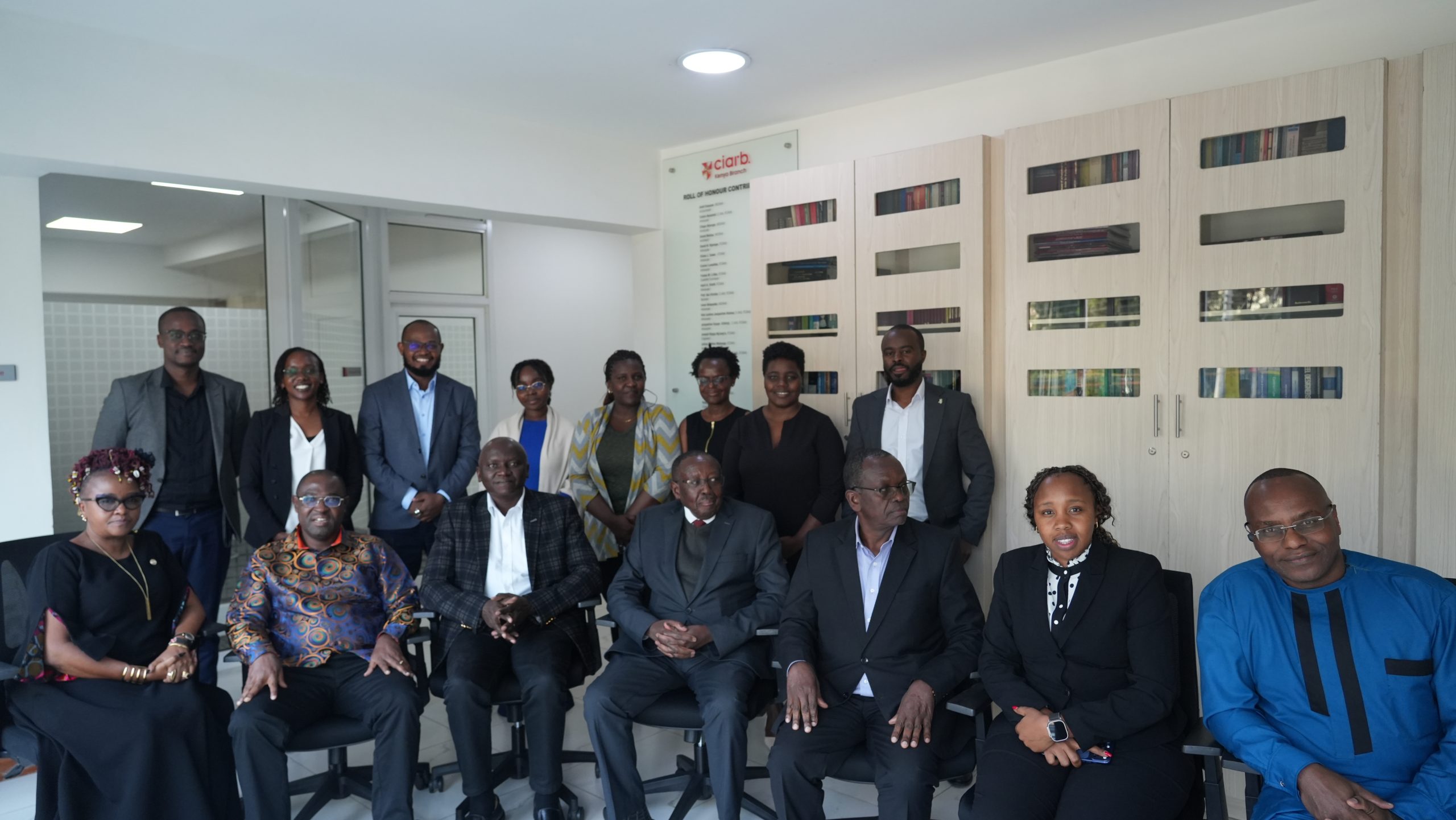
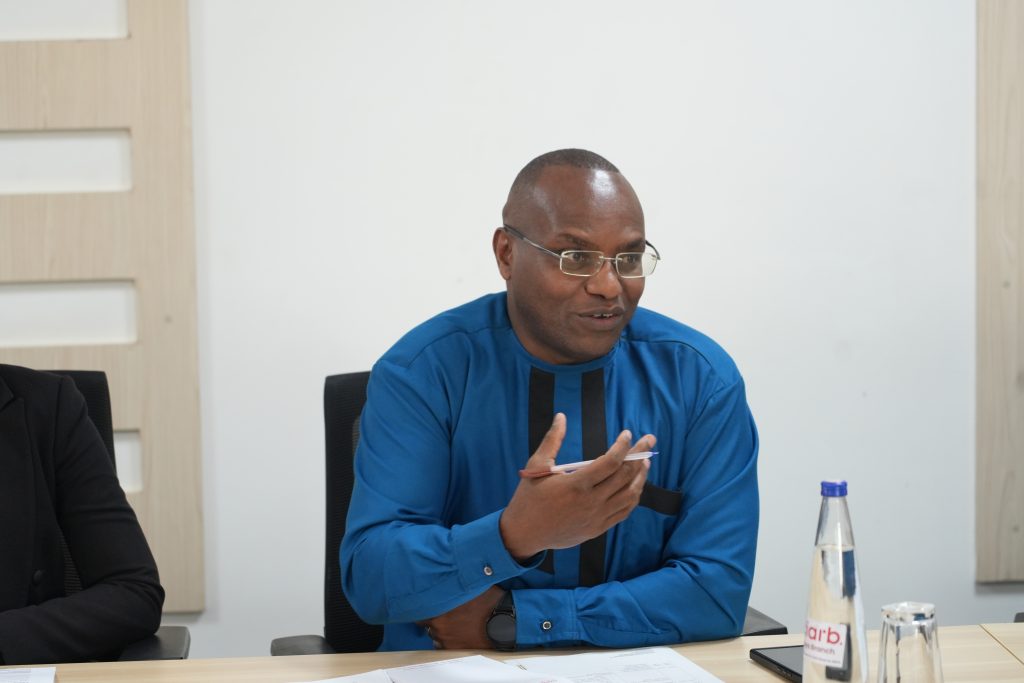
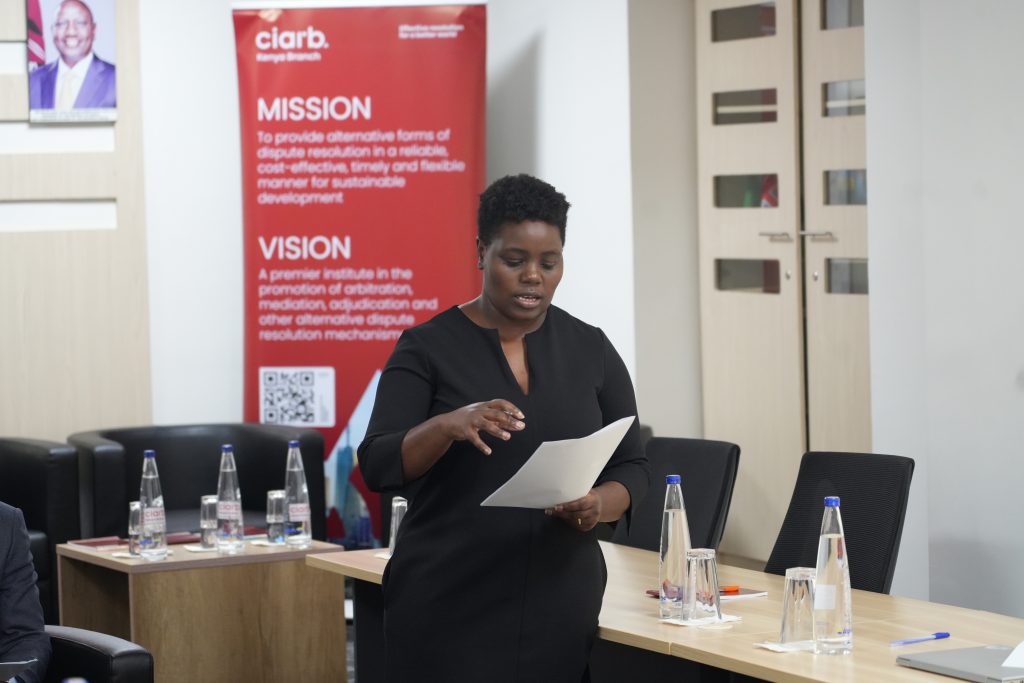
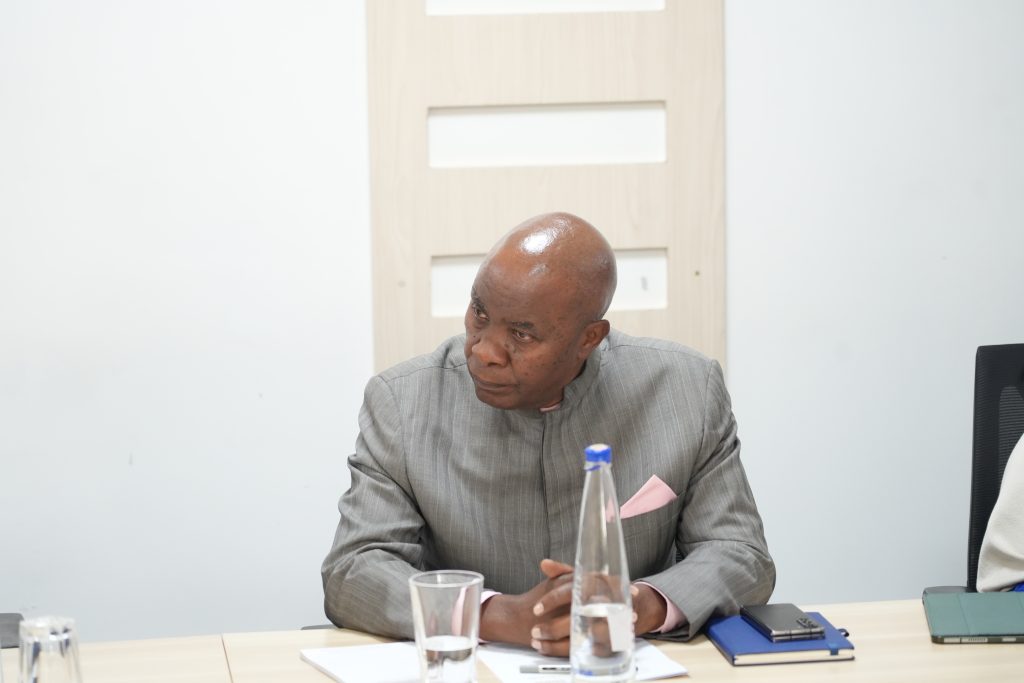
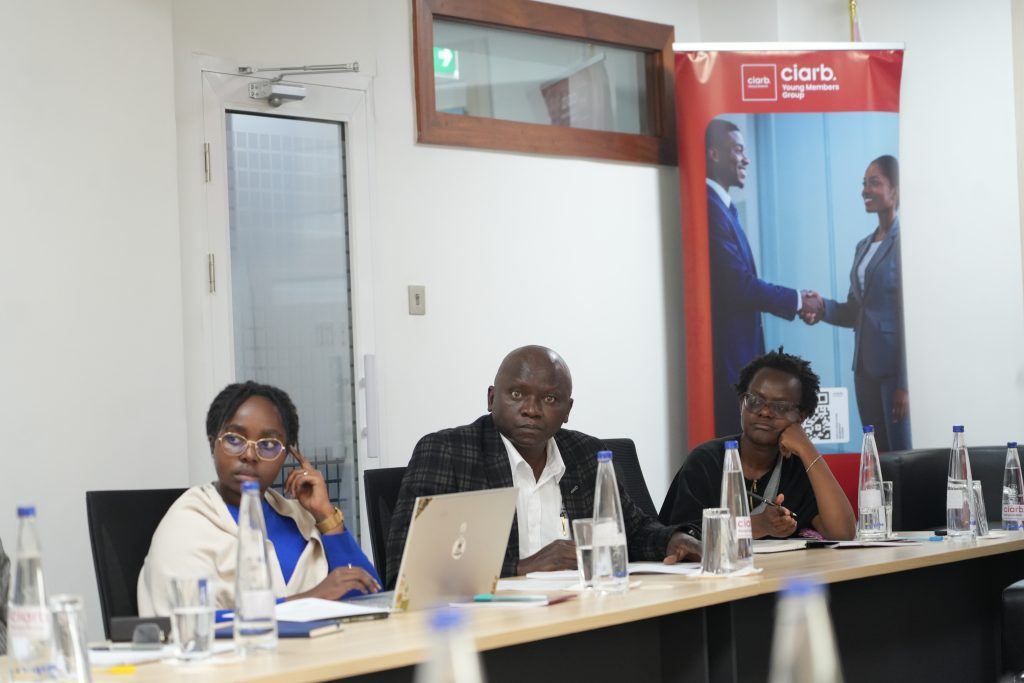
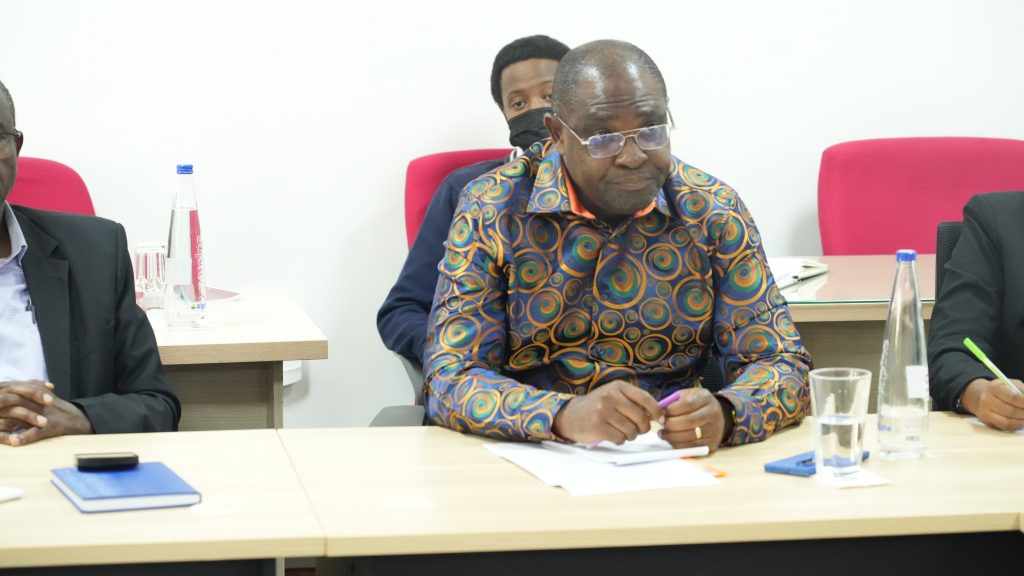
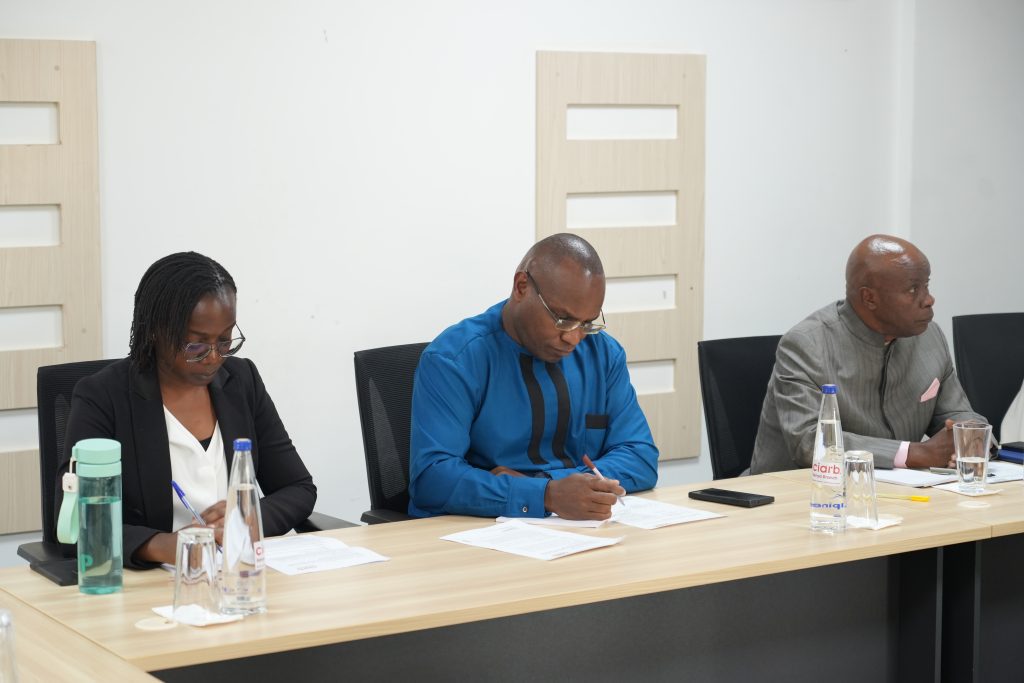
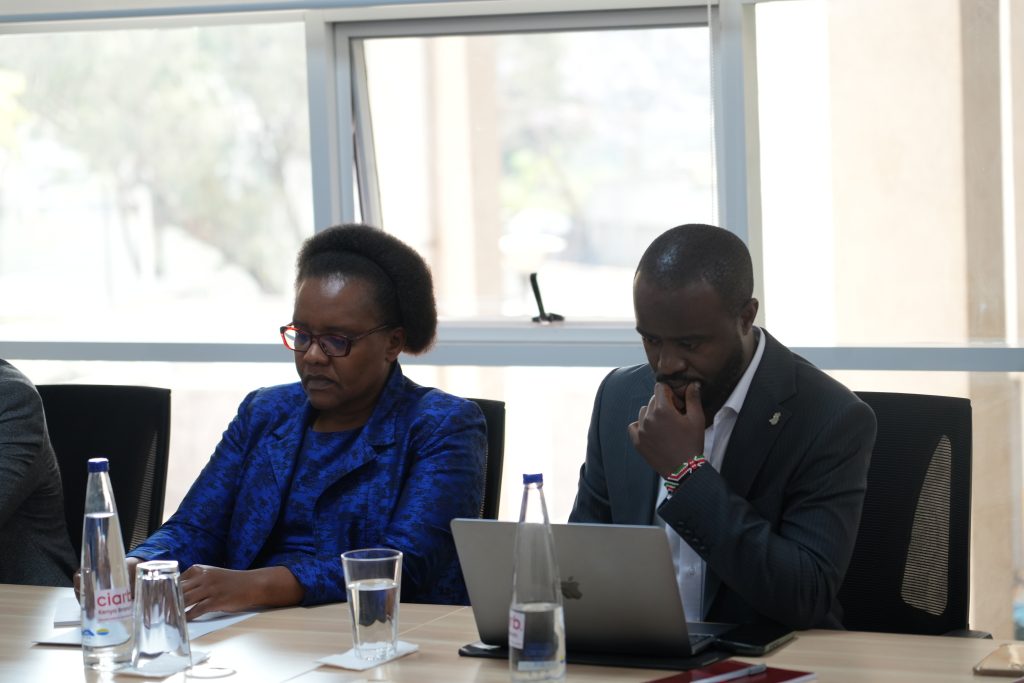
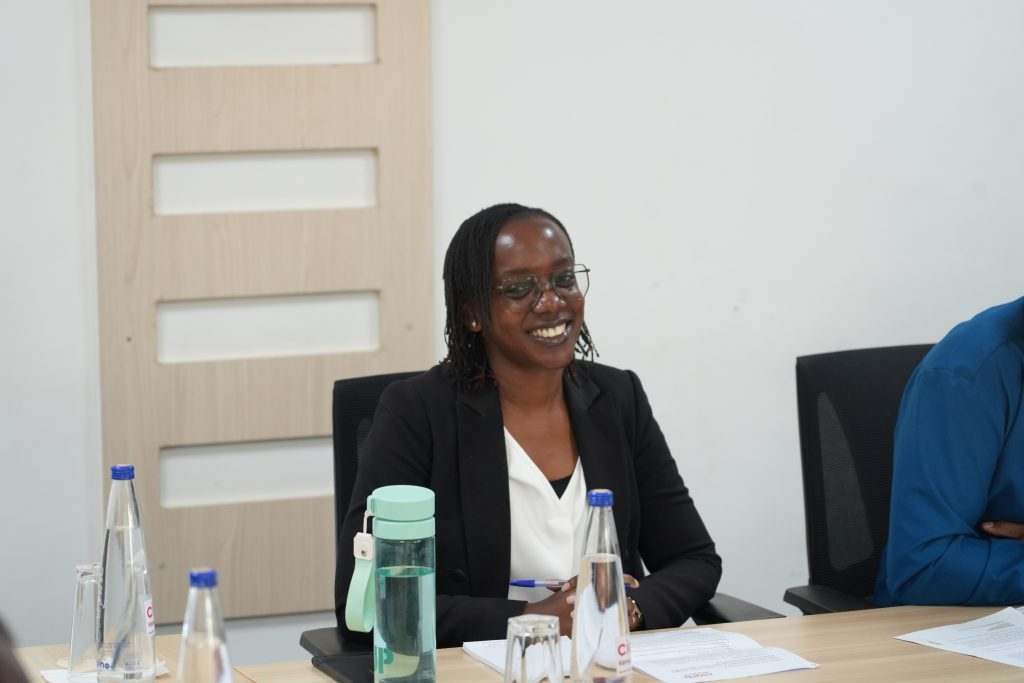
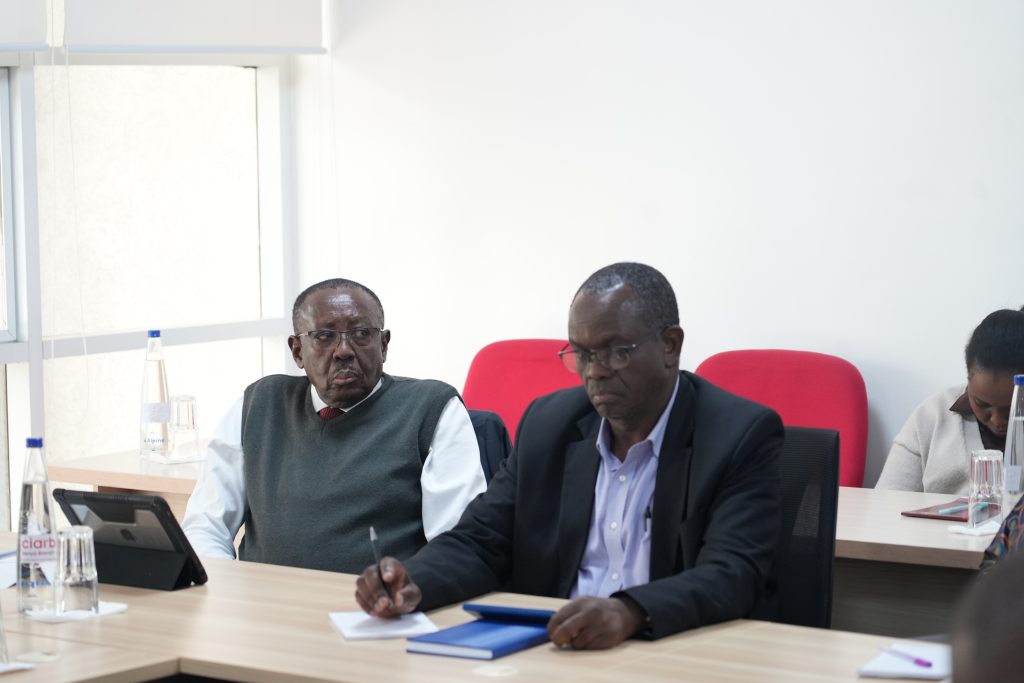
The Chartered Institute of Arbitrators (Ciarb) Kenya Branch successfully hosted a high-level Strategic Roundtable on Infrastructure Governance and the Energy Transition on 31st July 2026 at its Upper Hill premises in Nairobi. The forum, themed “Managing Public-Private Partnership (PPP) and Power Purchase Agreement (PPA) Disputes through Policy-Embedded ADR,” convened distinguished professionals from the infrastructure, energy, engineering, finance, legal, regulatory, government, and Alternative Dispute Resolution (ADR) sectors to explore practical approaches to embedding dispute avoidance and dispute resolution mechanisms into Kenya’s major infrastructure and energy projects.
The strategic roundtable was designed to foster meaningful dialogue among stakeholders on strengthening governance frameworks within PPPs and PPAs by integrating ADR mechanisms from the earliest stages of project development. Rather than viewing arbitration as a solution only after disputes arise, participants examined how ADR can become a proactive governance tool that enhances project delivery, investor confidence, and long-term sustainability.
A Shift from Dispute Resolution to Dispute Avoidance
One of the central messages emerging from the discussions was the need for a paradigm shift—from resolving disputes after they occur to preventing disputes before they arise.
Participants observed that many of the disputes affecting infrastructure and energy projects are often created at the project inception stage rather than during implementation. Weak tender documentation, inconsistent contract provisions, poorly allocated risks, and inadequate governance systems frequently lay the foundation for costly disputes that later emerge as payment claims, project delays, contractual disagreements, or technical disputes.
The roundtable therefore emphasized that effective dispute management begins long before construction starts. Stakeholders advocated for embedding dispute avoidance mechanisms into every phase of a project’s lifecycle—from procurement and contract drafting to implementation, contract administration, and project completion.
The Importance of Better Contract Drafting
A significant portion of the discussion focused on improving the quality of contract documentation used in infrastructure projects.
Participants stressed that procurement documents and contracts must clearly define the rights and obligations of all parties while providing coherent dispute management frameworks. They warned against the common practice of copying standard contract forms without fully reviewing their implications, noting that inconsistent amendments often create uncertainty and conflicting obligations.
The forum recommended greater use of carefully structured multi-tier dispute resolution clauses that progressively move parties through negotiation, mediation, Dispute Avoidance and Adjudication Boards (DAABs), and arbitration only where necessary. Maintaining standing DAABs throughout project implementation was highlighted as an effective method for addressing emerging disagreements before they escalate into formal disputes. Regular project reviews and risk assessment meetings were also identified as valuable tools for preventing disputes.
Managing Risk Throughout the Project Lifecycle
Recognizing that PPPs and PPAs are long-term arrangements exposed to evolving political, financial, regulatory, environmental, and technical risks, participants underscored the importance of comprehensive risk allocation during project planning.
The discussions highlighted several recurring sources of disputes, including:
Changes in government policy and legislation.
Tariff adjustments.
Delayed land acquisition and site access.
Design and engineering variations.
Payment delays.
Force majeure events.
Environmental and safety compliance.
Financing delays.
Project implementation backlogs.
Participants agreed that project documentation should clearly identify which party bears responsibility for these risks and establish transparent mechanisms for compensation, extensions of time, liquidated damages, suspension, termination, and project exit. Such clarity, they noted, enhances project continuity while reducing uncertainty for both public and private sector stakeholders.
Strengthening the Role of Engineers and Contract Administrators
Another key theme was the increasingly important role of engineers and contract administrators in dispute prevention.
The forum emphasized that professionals responsible for assessing claims and administering contracts must act independently, impartially, and competently. Participants noted that where engineers become overly aligned with one party particularly employers their decisions may compromise project relationships and increase the likelihood of disputes.
To address this challenge, stakeholders called for stronger professional training in contract administration, claims management, ADR, and dispute avoidance, in addition to technical engineering skills. The importance of accountability across all project participants including employers, consultants, contractors, financiers, and regulators was also highlighted as essential to successful project governance.
Embedding ADR into Policy and Regulation
Beyond contractual reforms, the roundtable explored the relationship between ADR and public policy.
Participants observed that inconsistencies between procurement legislation, PPP frameworks, sector regulations, and project-specific agreements frequently create uncertainty and conflict. Rather than relying solely on project-level negotiations, they proposed embedding ADR principles directly into national policies, regulations, and standard contract templates.
They further recommended involving regulators and public institutions in the design of dispute avoidance systems to ensure ADR mechanisms remain aligned with statutory responsibilities while maintaining efficiency and transparency. Practical experience from infrastructure professionals should also inform future policy reforms and regulatory improvements.
Bankability and Investor Confidence
The financing perspective featured prominently during the discussions.
Participants agreed that robust dispute governance is a critical component of project bankability. Investors, lenders, insurers, and development finance institutions require certainty regarding project risks, dispute resolution procedures, enforcement mechanisms, and contractual obligations before committing financial resources.
The discussions emphasized the importance of aligning upstream financing agreements with downstream construction and operational contracts while ensuring that issues such as political risk, insurance coverage, force majeure, environmental obligations, and performance securities are comprehensively addressed within project documentation.
Infrastructure Systems are Increasingly Connected
The roundtable also explored the growing interdependence between infrastructure sectors.
Participants discussed how changing energy markets increasingly influence water supply systems, transport infrastructure, housing, and other essential public services. As energy prices, tariffs, and financing structures evolve, their impact extends well beyond individual projects.
The forum therefore encouraged policymakers and practitioners to adopt integrated governance approaches rather than developing dispute management frameworks in sector-specific silos.
Building Local ADR Capacity
One of the strongest messages emerging from the roundtable was the need to strengthen Kenyan and East African professional capacity.
Participants expressed concern over the relatively limited representation of local professionals on international appointment panels despite the region possessing highly experienced practitioners.
To address this, the forum recommended expanding practical training in:
FIDIC Contracts
Claims Management
Mediation
Adjudication
Arbitration
Dispute Boards
Insurance
Project Finance
The discussions also encouraged broader participation by engineers, quantity surveyors, project managers, government officials, financiers, and other non-lawyer professionals in ADR training programmes.
CIArb Kenya was encouraged to work closely with universities, regulators, professional associations, financiers, and public institutions to develop a quality-assured regional bench of ADR professionals capable of supporting Africa’s growing infrastructure sector.
Key Recommendations
The roundtable concluded with a series of strategic recommendations aimed at improving infrastructure governance and dispute management across Kenya and the region. These included:
Standardizing policy-embedded ADR clauses within PPP and PPA contracts.
Introducing dispute avoidance mechanisms from project inception.
Harmonizing procurement documents, PPP agreements, PPAs, and FIDIC-based contracts.
Strengthening the independence and accountability of engineers and contract administrators.
Building a specialized, quality-assured bench of infrastructure and energy ADR practitioners.
Delivering multidisciplinary training programmes across the infrastructure ecosystem.
Integrating insurance, political risk, financing, environmental considerations, and exit planning into project governance.
Establishing practitioner feedback systems to improve policies and standard contracts.
Expanding institutional collaboration between CIArb Kenya, regulators, universities, professional bodies, financiers, and private sector organizations.
Supporting continuous research and policy engagement to inform future reforms.
Looking Ahead
The roundtable reaffirmed that effective infrastructure governance and Africa’s energy transition depend not only on sound engineering and financing but also on robust contract management and proactive dispute avoidance.
Participants agreed that embedding ADR within public policy, standard contracts, and project governance frameworks will help safeguard public investment, strengthen investor confidence, improve project delivery, and preserve commercial relationships throughout the lifecycle of major infrastructure projects.
As Kenya continues to invest in transformative infrastructure and sustainable energy initiatives, CIArb Kenya remains committed to leading national and regional conversations on dispute avoidance, capacity building, research, and institutional collaboration. Through strategic forums such as this roundtable, the Branch continues to reinforce its role as a thought leader in advancing effective ADR systems that support economic development, infrastructure resilience, and investment across Africa.
CIArb Kenya Branch Chairman FCS Jaqueline Waihenya expresses her deepest gratitude to all the valued partners, fellows, and members who attended the significant event of celebrating 40 Years of Excellence
Are you interested in understanding how disputes are resolved outside traditional court proceedings? Would you like to explore a professional career in arbitration, mediation or other forms of Alternative Dispute
Africa Decides: Sovereignty, Innovation & the Future of Dispute Resolution 5–9 October 2026 | Diamond Leisure Lodge, Diani, Kenya Conference Overview The TAKUKA Conference 2026 is a landmark Pan-African gathering
Sometimes, professional partnerships feel less like partnerships and more like family. That was certainly the spirit of today’s engagement between FIDA Kenya and Ciarb Kenya, where two organisations united by