CIArb Launches ADR Talk Service and Publishes 2025 Case Report
The Chartered Institute of Arbitrators (CIArb) Kenya Branch successfully launched its first ADR Talk Service, marking a significant milestone in strengthening transparency, professionalism, and public awareness around dispute resolution services.
The session was opened by Ms. Evelyn Kemani, Acting CEO of CIArb Kenya, who outlined the objectives of the forum: to demystify the dispute appointment process, clarify the Institute’s role as an appointing authority, and address common challenges faced in arbitration and other ADR mechanisms.
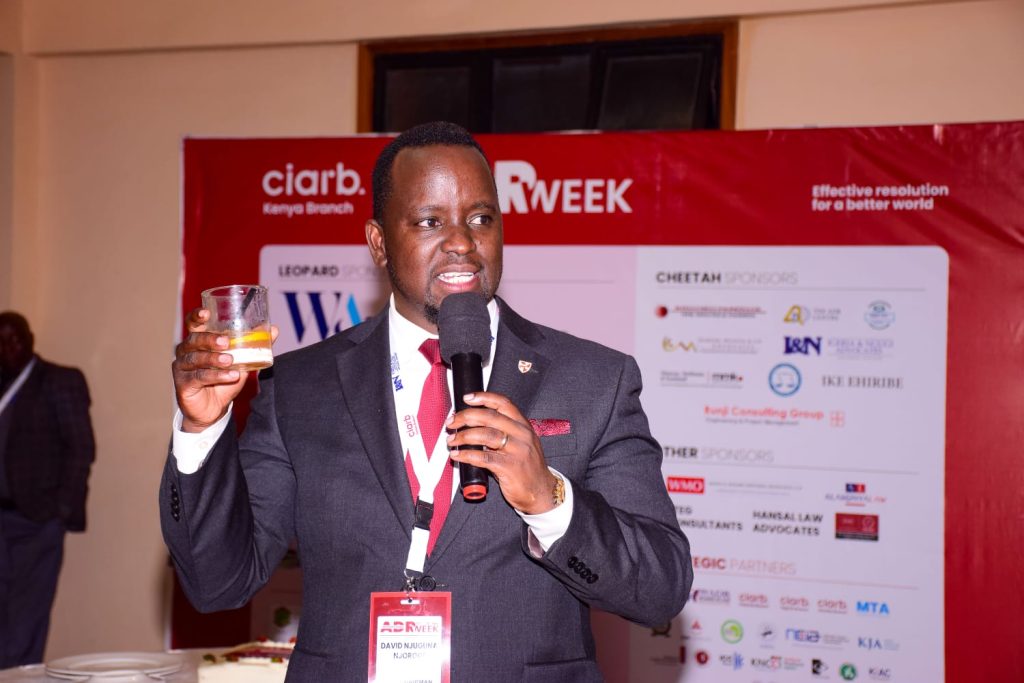
She was joined by members of the Nominations and Appointment Services Committee, including Prof. Kenneth Wayne Mutuma (Chairman) and Mr. David Njoroge (Vice Chairman), both seasoned practitioners with extensive experience in arbitration and dispute resolution.
The event also coincided with the publication of the CIArb 2025 Case Report, highlighting key statistics, dispute trends, and appointment data from the year.
CIArb’s Role as an Appointing Authority
CIArb Kenya, established in 1984, continues to serve as a gateway to Africa for dispute resolution services. Acting primarily as an ad hoc appointing authority, the Institute facilitates the appointment of arbitrators, mediators, and construction adjudicators through a structured and transparent process.
The panel explained that the appointment process begins once parties submit:
The complete contract agreement
Relevant correspondence
A summary of the dispute
Quantum details
Party information
This ensures compliance with the arbitration clause and confirms that all pre-qualification requirements are met before appointments are made.
Appointments are overseen by a Vetting Committee, comprising the Chairman, Vice Chairman, and a Board Member. Key considerations in appointments include:
Quantum of the dispute
Sector specialization
Complexity of the matter
Professional qualifications
Professional indemnity cover
To ensure fairness and equity, the Institute applies a rotational system in appointments from its panel of approximately 260 vetted neutrals.
2025 Appointment Statistics and Trends
Mr. David Njoroge presented key statistics from the 2025 Case Report, demonstrating sustained growth in dispute appointments. The Institute recorded:
371 appointments in 2025, compared to 380 in 2024
Arbitration cases accounting for 97% of disputes
A smaller proportion of mediation and adjudication matters
The disputes spanned diverse sectors, including commercial, construction, and labor matters.
David emphasized that transparent and efficient appointment processes are critical in building trust among legal professionals, corporate entities, and the public. He also highlighted the need to improve gender representation in arbitration and encouraged more women to pursue arbitration training to address existing disparities.
Ethics, Professionalism, and Appointment Integrity
A key focus of the session was ethics in arbitration.
The panel addressed challenges encountered by appointing authorities, including:
Poorly drafted arbitration clauses
Non-communication between parties
Delays in submissions
Potential conflicts of interest
Concerns over excessive fees
They stressed that arbitrators must uphold the highest standards of professionalism, integrity, and transparency, noting that the credibility of the Institute depends on the conduct of its members.
Participants were encouraged to adopt the CIArb Rules 2020 to enhance efficiency and reduce delays in arbitration proceedings.
The Empanelment Process and Membership Requirements
The discussion also explored the process of becoming part of CIArb’s panel of neutrals.
To qualify, members must:
Be in good standing (including payment of annual subscriptions)
Complete mentorship and induction training
Demonstrate competence and sector expertise
Obtain the newly introduced empanelment certificate
The Institute emphasized that empanelment is not automatic; it is a structured vetting process designed to ensure only competent dispute resolvers are appointed.
Efforts are underway to improve the visibility and accessibility of the panel of neutrals on the Institute’s website and to collaborate with other professional bodies to share lists of qualified arbitrators.
Capturing Data and Enhancing Quality
Evelyn Kemani highlighted the importance of collecting and publishing arbitration statistics to demonstrate CIArb’s effectiveness and attract greater public confidence.
The Institute is strengthening:
Continuous Professional Development (CPD) compliance
Peer review mechanisms for arbitral awards
Technology integration and data analytics
Institutional systems, including plans to implement an ERP platform
These initiatives form part of the Institute’s broader strategic goal of enhancing the quality and efficiency of arbitral processes.
Continuous Learning and Upcoming Initiatives
CIArb reaffirmed its commitment to continuous education through:
Pathway training programs
CPD events and skills refinement workshops
Webinars on handling small claims in arbitration
Investment arbitration training in collaboration with XSEED (Washington, D.C.)
A roundtable engagement within the insurance industry
The Institute also announced a public lecture on February 20th featuring the CIArb Global President, as well as discussions around a potential Diploma in International Arbitration in collaboration with Oxford University, subject to member interest.
Strengthening Arbitration Through Transparency and Trust
The launch of the ADR Talk Service reflects CIArb Kenya’s commitment to openness, accountability, and continuous improvement. By clarifying the appointment process, publishing statistics, and reinforcing ethical standards, the Institute aims to enhance trust in arbitration and other ADR mechanisms.
As dispute resolution continues to evolve across the region, CIArb Kenya remains focused on professionalism, inclusivity, and innovation—ensuring that arbitration remains efficient, credible, and responsive to the needs of modern commerce.
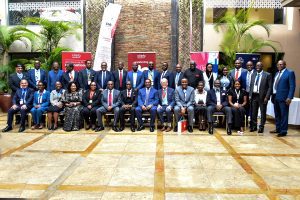
CIArb Kenya Branch Chairman FCS Jaqueline Waihenya expresses her deepest gratitude to all the valued partners, fellows, and members who attended the significant event of celebrating 40 Years of Excellence
From 5th -9th October, 337 people from 16 countries gathered at Diamond Leisure Lodge in Diani, Kenya, for TAKUKA 2026. Arbitrators, mediators, adjudicators, sitting judges, government officials and young practitioners
A landmark initiative to advance trade law harmonisation, strengthen Kenya’s global commercial standing, and create new opportunities for legal professionals, businesses and the next generation of African commercial lawyers. Nairobi
The Chartered Institute of Arbitrators (Ciarb), Kenya Branch, invites applications for its Commercial Mediation Training & Accreditation Programme, designed for professionals seeking practical mediation skills and a pathway towards becoming