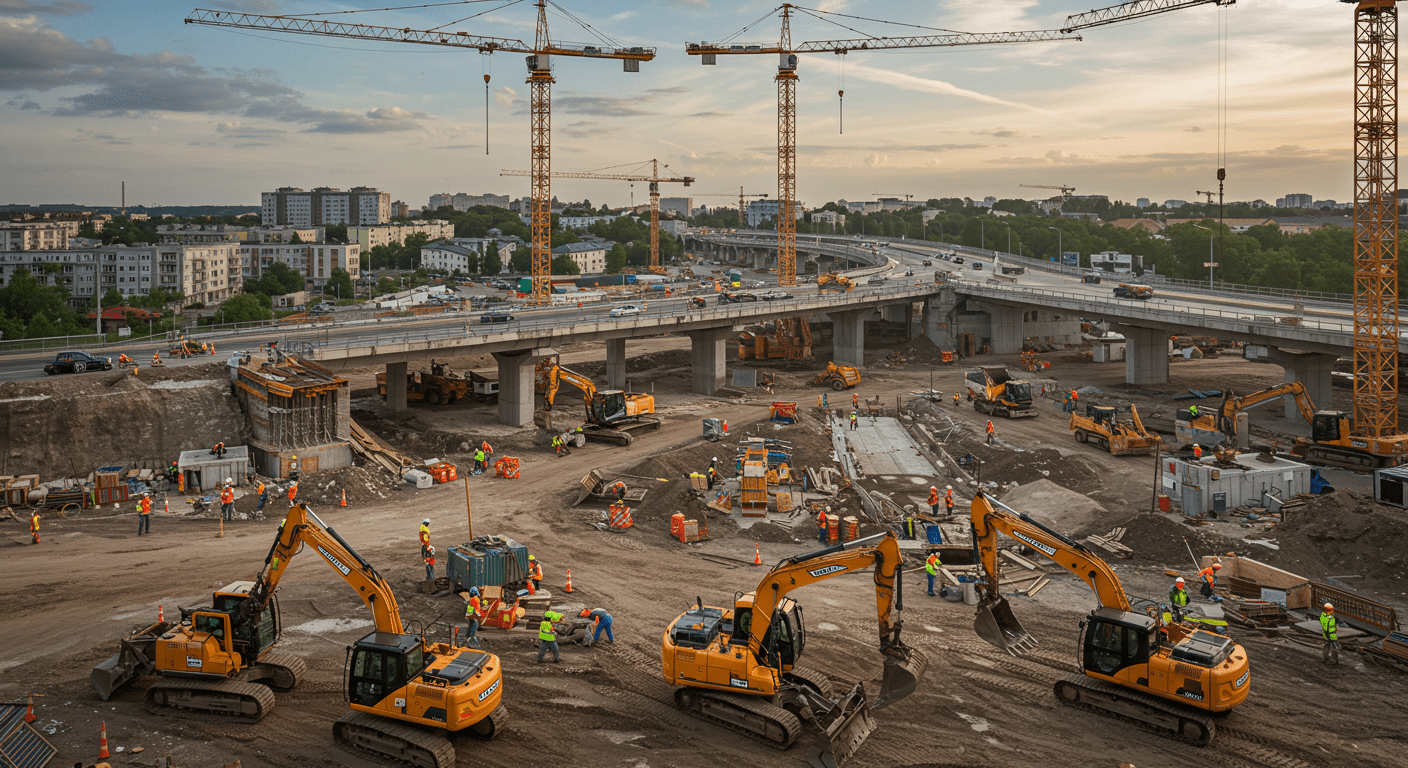
As Kenya embarks on ambitious infrastructure programs under Vision 2030, the mounting volume, complexity, and cost of disputes in the construction sector are emerging as a critical risk to project success, investor confidence, and public interest. Against this backdrop, the upcoming Construction Adjudication and Infrastructure Dispute Resolution Conference taking place at the Kenya School of Government on 19 November 2025, will provide a national platform to reflect, reform, and reimagine how construction-related disputes are handled.
The conference will bring together a cross-section of stakeholders adjudicators, contractors, engineers, financiers, legal practitioners, government agencies, regulators, and investors to unpack the systemic issues and explore practical solutions for effective dispute management in the sector.
Why This Conference Matters
From delayed roads and stalled power plants to budget overruns and contentious terminations, construction disputes are not just legal problems they are developmental, financial, and governance threats. Kenya’s infrastructure pipeline is expanding, but the tools for resolving conflict often lag behind. The 19th November conference aims to bridge this gap by confronting the data, dissecting the causes, and debating reforms.
Key Themes & Sessions
1. What the Data Reveals About Construction Disputes in Kenya
Drawing on the State of ADR Report’s chapters on Construction Adjudication and Infrastructure Disputes, this session will deliver a data-driven presentation of trends, hotspots, timelines, outcomes, and bottlenecks. The goal: evidence-based reform, not guesswork. Expect insights on:
- Average duration of construction adjudications.
- Most common causes of disputes (payment, scope creep, variation orders, etc.)
- Performance of dispute boards and DABs in Kenya.
- Gaps in awareness or use of fast-track mechanisms.
This session will address whether the current legal and institutional frameworks for construction adjudication are fit for purpose. Topics will include:
- Capacity of the Adjudication under the Construction Industry framework.
- Integration (or lack thereof) with the Public Procurement and Asset Disposal Act (PPADA).
- Proposals for sector-specific adjudication rules.
- Recommendations for updating the Arbitration Act, FIDIC model contracts, and dispute board procedures.
3. Building Without Conflict: Strategies for Dispute Avoidance in Construction and Infrastructure Projects
Rather than focusing only on dispute resolution, this panel will look at dispute avoidance mechanisms, including:
- Early contractor involvement (ECI) and collaborative contracting.
- Real-time issue resolution frameworks.
- Risk allocation in contract drafting.
- The role of the engineer and project manager as dispute mitigators.
4. The Claims Explosion: When Contractors Want More Than the Project is Worth
Kenya’s public and private projects are increasingly facing disproportionate claims sometimes exceeding project value. This hard-hitting panel will explore:
- Root causes of claim inflation (delays, inflation, variation, poor scoping).
- How to distinguish legitimate claims from opportunistic ones.
- The role of pre-contract risk appraisal and realistic budgeting.
- Balancing fairness to contractors with protection of public funds.
5. Managing Risks in Public Infrastructure Projects: Lessons from PPADA Dispute Processes
This session zeroes in on the Public Procurement and Asset Disposal Act (PPADA) and the Public Procurement Administrative Review Board (PPARB), evaluating:
- The effectiveness of procurement-related dispute resolution.
- Jurisdictional overlap between PPARB, courts, and arbitration.
- Lessons from recent rulings.
- Whether PPADA reforms are needed to improve risk-sharing, reduce delay, and support faster dispute clearance.
6. Financial Institutions & Investors: The Impact of Unresolved Disputes on Project Financing
Bankers, DFIs, and investors will take center stage to explain how unresolved or poorly managed disputes affect:
- Risk premiums and interest rates on infrastructure loans.
- Lender confidence in government counterparties.
- Demand for credit enhancements and guarantees.
- Project viability, cost of capital, and developer appetite.
This panel will also touch on how lenders are beginning to demand robust dispute resolution clauses and early warning mechanisms.
7. Energy Infrastructure Panel: Disputes in Power, Oil & Gas, and Renewables
Energy infrastructure is both capital-intensive and dispute-prone. This specialized panel will focus on:
- Common disputes in power purchase agreements (PPAs), EPC contracts, and JVAs.
- The interface between regulatory decisions and contract disputes.
- Arbitration vs adjudication in energy deals.
- ESG-linked project risks and how they intersect with disputes.
8. Stepping Stones or Stumbling Blocks? Evaluating the Effectiveness of Multi-Layered Dispute Resolution Clauses in Construction Contracts
Multi-tiered clauses (negotiation → mediation → adjudication → arbitration) are meant to reduce litigation — but are they delivering? This deep-dive will evaluate:
- Enforcement of multi-tiered clauses under Kenyan law.
- Whether parties comply with pre-arbitration steps.
- International best practices in clause drafting.
- When these clauses help and when they delay justice.
Conference Goals
- Catalyze Legal and Policy Reform: Use the findings of the State of ADR Report and stakeholder consensus to propose legislative and institutional reforms.
- Strengthen Adjudication Capacity: Build the case for a robust adjudication framework, particularly for high-stakes public infrastructure projects.
- Promote Dispute Avoidance Culture: Shift industry focus from reactive dispute resolution to proactive dispute prevention and collaborative contracting.
- Safeguard Infrastructure Investment: Address the silent cost of unresolved disputes in terms of stalled projects, wasted taxpayer funds, and investor hesitation.
- Improve Contracting Practices: Encourage better drafting, clearer risk allocation, and the adoption of standard-form contracts with enforceable dispute mechanisms.
Expected Participants
- Government bodies: Ministry of Transport, Ministry of Energy, PPRA, Kenya Roads Board, AG’s office, and National Treasury.
- Construction industry stakeholders: Engineers, contractors, consultants, and developers.
- Legal & ADR professionals: Arbitrators, adjudicators, mediators, and dispute boards.
- Investors and financiers: Local banks, DFIs (e.g. AfDB, IFC), project finance lawyers.
- Academia and Think Tanks: Offering data analysis, case law trends, and policy options.
The Construction Adjudication and Infrastructure Dispute Resolution Conference on 19 November 2025 comes at a critical moment when Kenya’s infrastructure ambition collides with hard lessons from stalled projects, contentious claims, and inadequate dispute management.
This conference will not just diagnose the problem it will offer a blueprint for building a more resilient, cost-effective, and fair dispute resolution system. With billions at stake and public trust on the line, the urgency to act has never been greater.