Advancing Mediation Awareness and Skills: Ciarb Kenya Joins the Judiciary and LSK in Capacity-Building Initiative
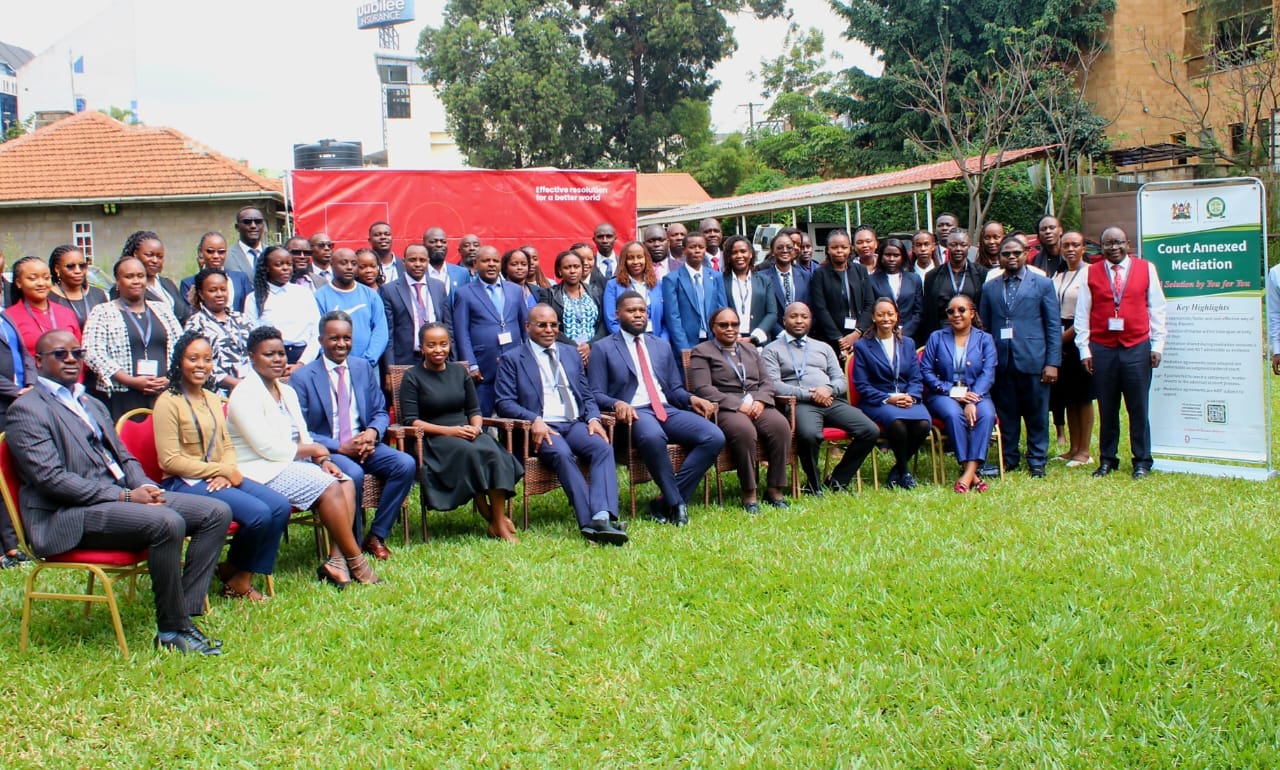
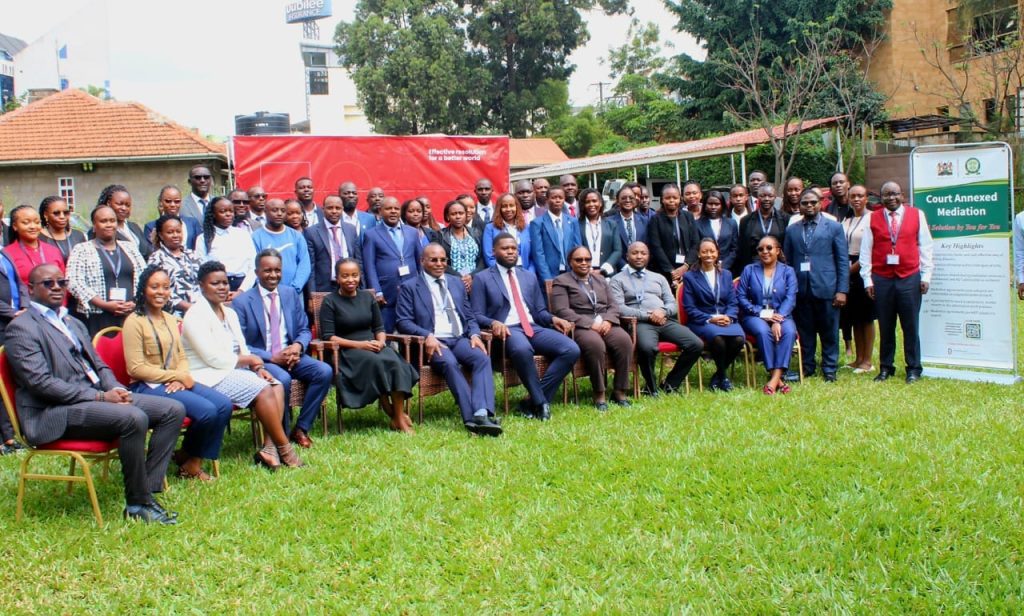
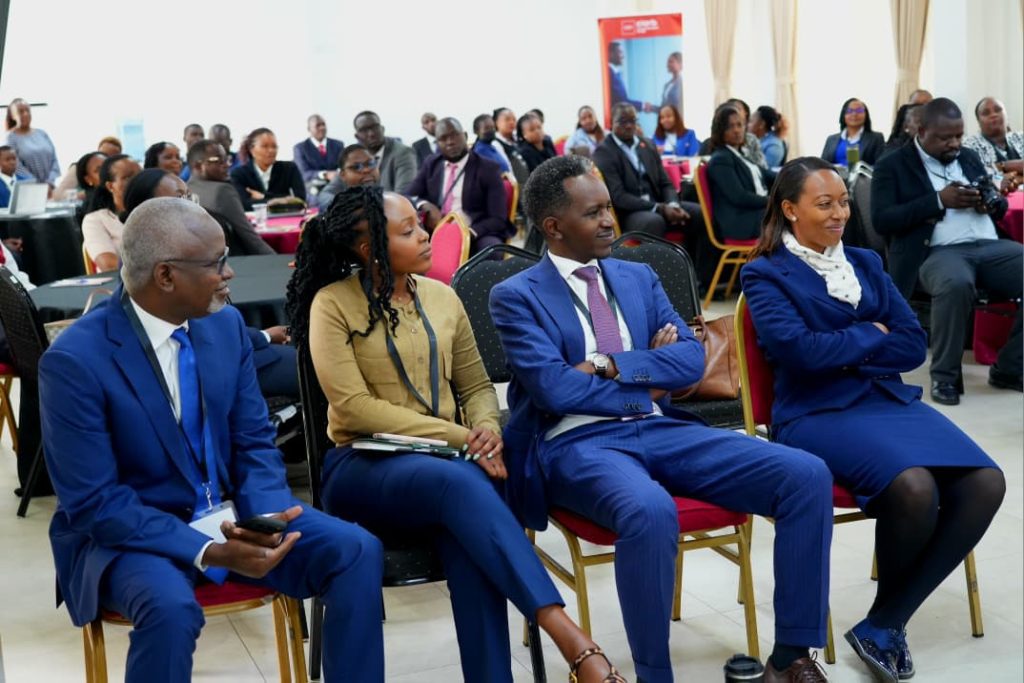
The Chartered Institute of Arbitrators (Kenya Branch) proudly participated in the opening of the 2nd Cohort of the Law Society of Kenya (LSK) Accelerated Training on Mediation, held at the Institute of Certified Secretaries (ICS) Building. The programme brought together 52 advocates committed to developing their skills in mediation and advancing alternative dispute resolution (ADR) in Kenya.
The training underscores the growing recognition of mediation as a vital mechanism for resolving disputes efficiently, preserving relationships, and improving access to justice.
CIArb Kenya’s Commitment to Excellence in Mediation
Delivering the opening remarks, Ciarb Kenya’s Ag. Chief Executive Officer, Evelyne Kimani, MCIArb, reaffirmed the Branch’s commitment to producing highly skilled and ethical mediators capable of serving the evolving needs of society.
She emphasized that mediation continues to play an increasingly important role in the administration of justice and that CIArb Kenya remains at the forefront of developing competent ADR practitioners through world-class training, professional development, and continuous capacity building.
“At Ciarb Kenya, our mission is to ensure that we produce mediators who are not only professionally qualified but also equipped with the practical skills, ethics, and confidence required to resolve disputes effectively and contribute meaningfully to access to justice.”
A Growing Need for More Mediators
Speaking during the opening session, Ciarb Kenya Chairman, Prof. Wyne Kenneth Mutuma, C.Arb, highlighted the increasing demand for mediation services in Kenya.
He noted that while mediation has gained significant traction within the justice system and commercial practice, there remains a shortage of qualified mediators to meet the country’s growing needs.
Prof. Mutuma encouraged more legal practitioners to embrace mediation, expressing his belief that conflict resolution skills are essential for every professional.
“There are still not enough mediators to meet the growing demand. We need more professionals equipped with mediation skills. In my view, everyone should be a mediator by default, because the ability to resolve conflict effectively is a skill that benefits individuals, institutions, businesses, and society as a whole.”
His remarks reinforced the importance of strengthening Kenya’s ADR ecosystem through continuous professional training and greater participation in mediation practice.
Learning from Distinguished ADR Practitioners
The programme is being facilitated by some of Ciarb Kenya’s most experienced and respected members, bringing decades of practical expertise to the classroom.
The faculty includes:
Samuel Mbiriri Nderitu, FCIArb – Chair Emeritus
Jacqueline Waihenya, C.Arb – Chair Emerita
Linda Mwihaki, MCIArb
Hon. Johnson Osoi, FCIArb
Joy Gitau
Their combined experience in mediation, arbitration, and dispute resolution provides participants with practical insights that bridge theory and real-world practice, ensuring that advocates develop the competencies required to serve as effective mediators.
Strengthening Kenya’s ADR Landscape
Ciarb Kenya continues to work closely with key stakeholders to promote mediation as a preferred method of dispute resolution. Through strategic partnerships with institutions such as the Law Society of Kenya and PLI, the Branch is helping build a stronger, more accessible, and more professional ADR landscape.
As mediation continues to gain prominence in commercial practice, court-annexed mediation, family disputes, employment matters, and community conflict resolution, programmes such as the LSK Accelerated Training are essential in preparing practitioners to meet the growing demand.
By investing in the development of skilled mediators today, Ciarb Kenya is helping shape a future where disputes are resolved more efficiently, relationships are preserved, and access to justice is enhanced for all.
We congratulate the 52 advocates who have embarked on this journey and wish them every success as they develop the knowledge and practical skills needed to become effective mediation practitioners. We also extend our appreciation to the Law Society of Kenya and PLI for their continued collaboration in advancing mediation and alternative dispute resolution in Kenya.
CIArb Kenya Branch Chairman FCS Jaqueline Waihenya expresses her deepest gratitude to all the valued partners, fellows, and members who attended the significant event of celebrating 40 Years of Excellence
Sometimes, professional partnerships feel less like partnerships and more like family. That was certainly the spirit of today’s engagement between FIDA Kenya and Ciarb Kenya, where two organisations united by
The Chartered Institute of Arbitrators (Ciarb), Kenya Branch convened a high-level Court & ADR Roundtable, bringing together members of the Judiciary, arbitrators, mediators, advocates and other Alternative Dispute Resolution (ADR)
Research, Development and Innovation Assistant Murithi Antony is the Research, Development and Innovation Assistant at the Chartered Institute of Arbitrators (CIArb), Kenya Branch, where he leads the Branch’s research, knowledge