ARBITRATION ON TRIAL: ACCOUNTABILITY, ETHICS AND PUBLIC TRUST
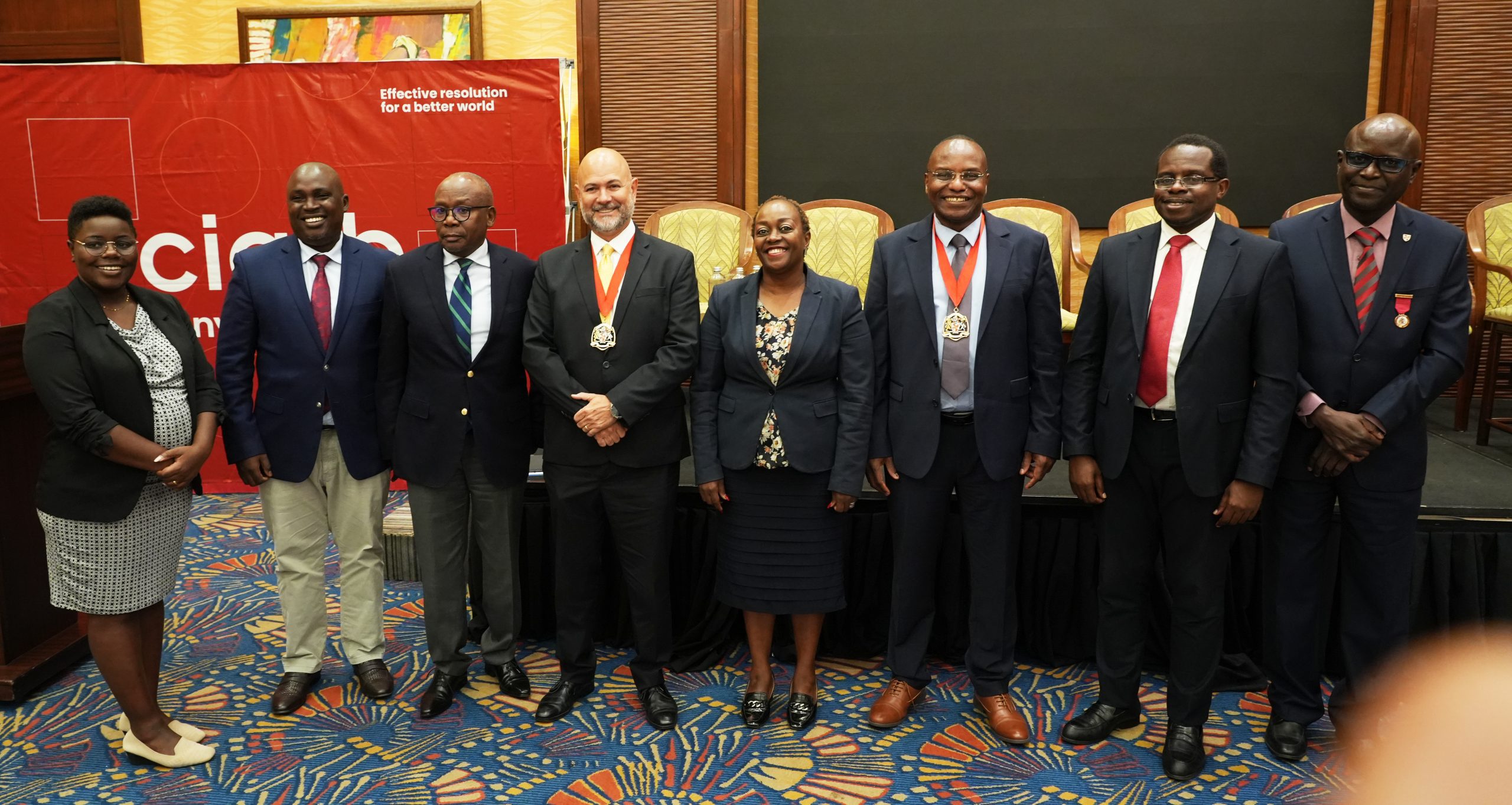
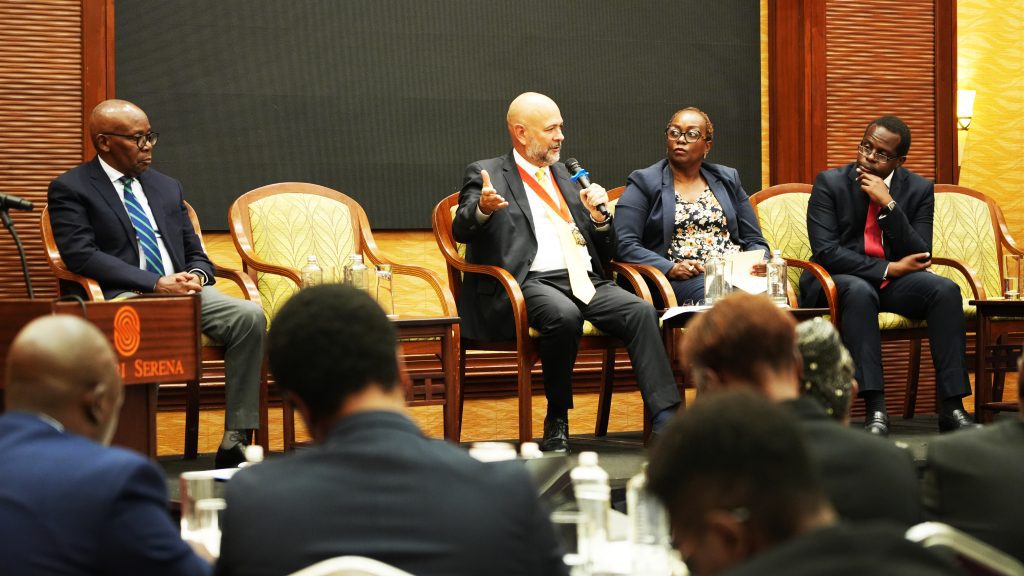
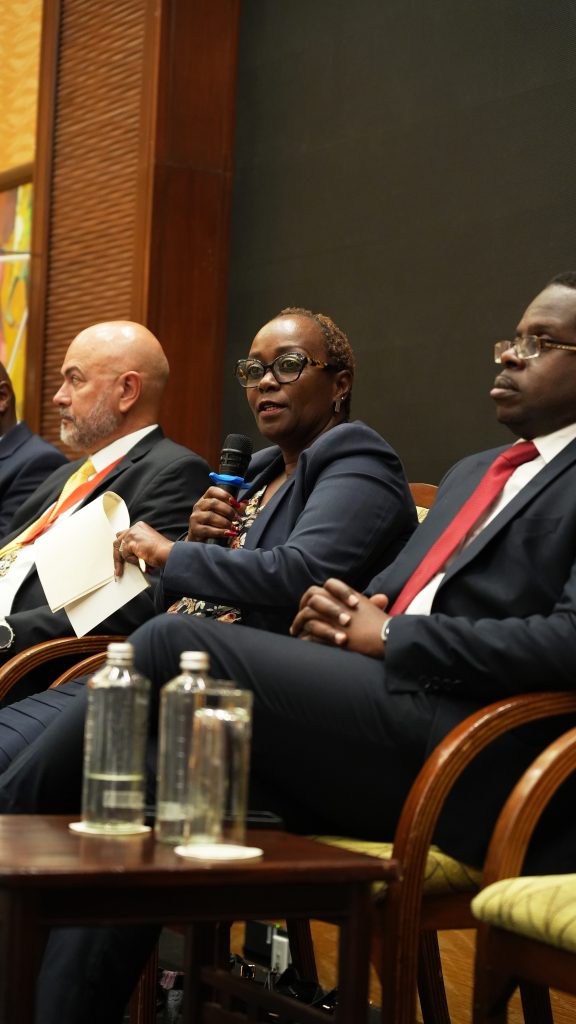
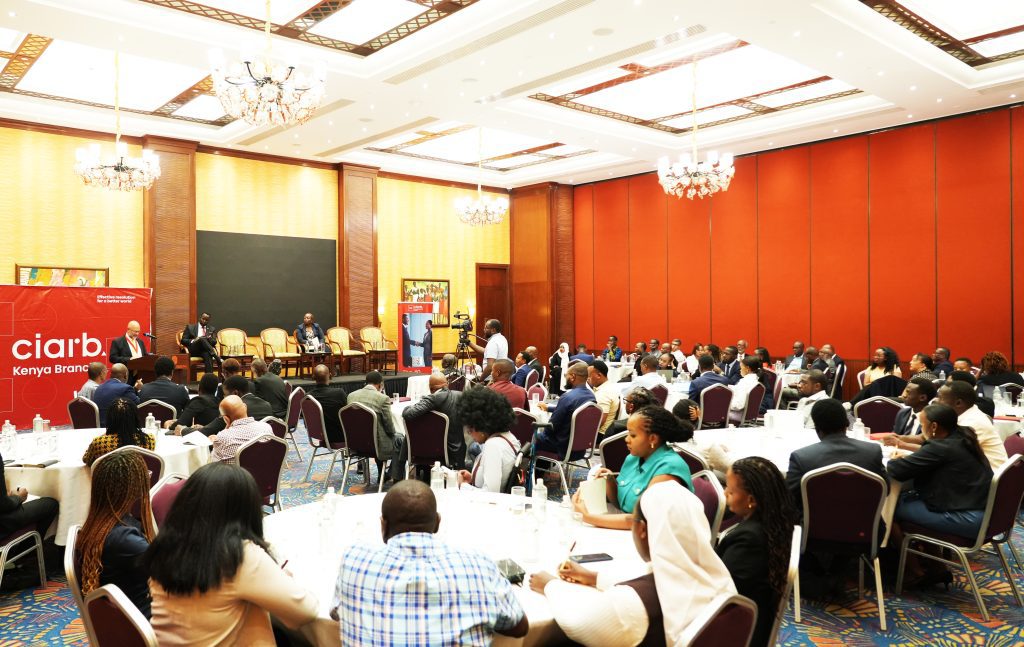
On 20 February 2025, the Kenya Branch of the Chartered Institute of Arbitrators (CIArb) hosted a public lecture and panel discussion in Nairobi under the theme “Arbitration on Trial.”
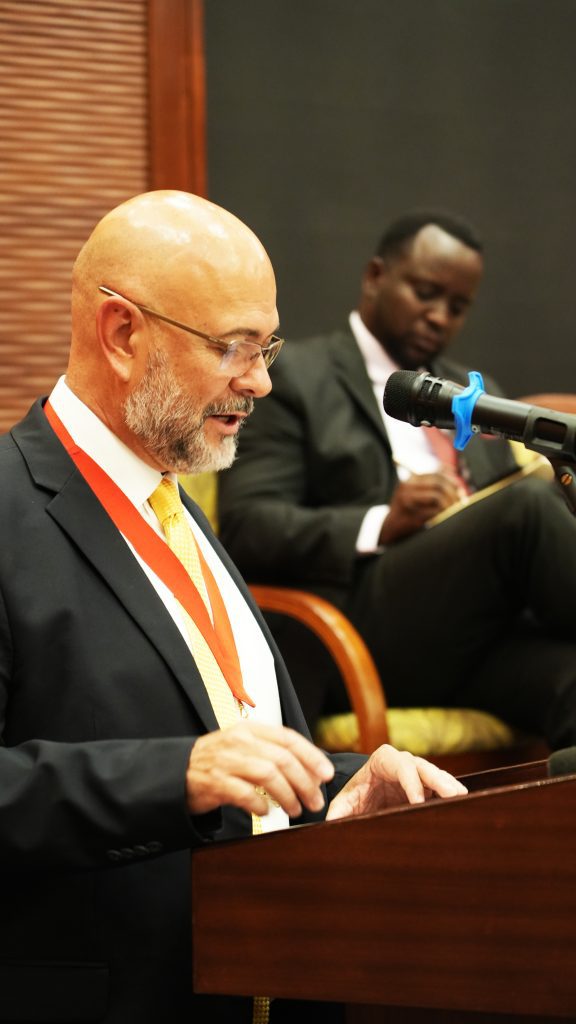
The occasion carried symbolic weight. Kenya is the oldest CIArb branch in Africa, established in 1984, and has played a formative role in supporting the growth of other branches across the continent.[1] It was therefore fitting that Dr. Cesar Pereira, FCIArb, C.Arb, the Global President of CIArb, chose Kenya as the first stop on his global tour.
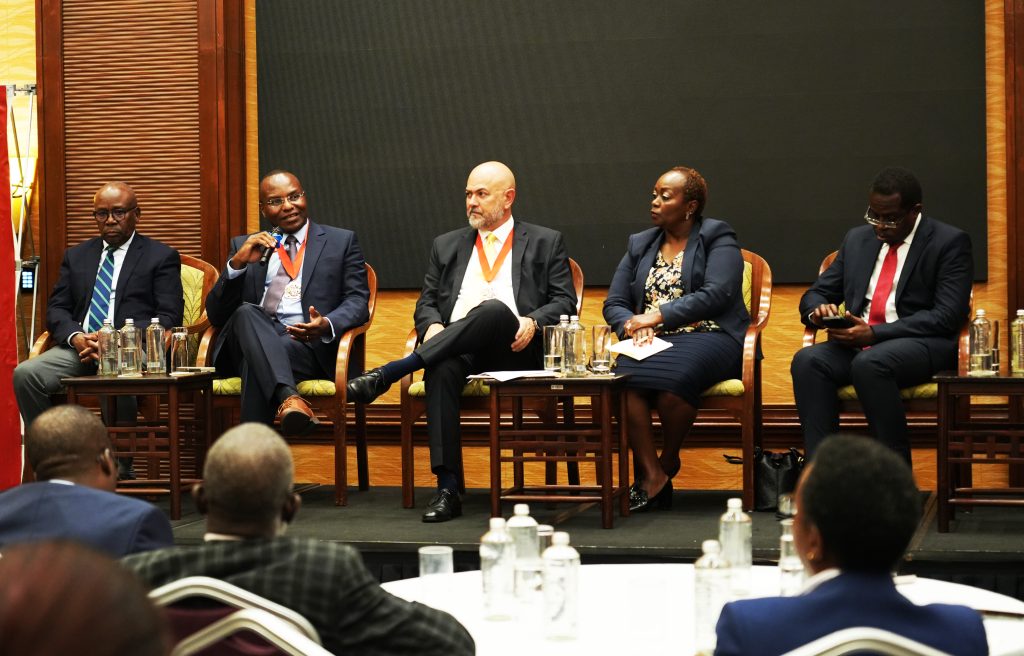
The discussion was moderated by David Njoroge, FCIArb, Vice Chair of CIArb Kenya.
The panel brought together:
Prof. Wyne Mutuma, MBS, FCIArb, C.Arb – President, CIArb Kenya Branch
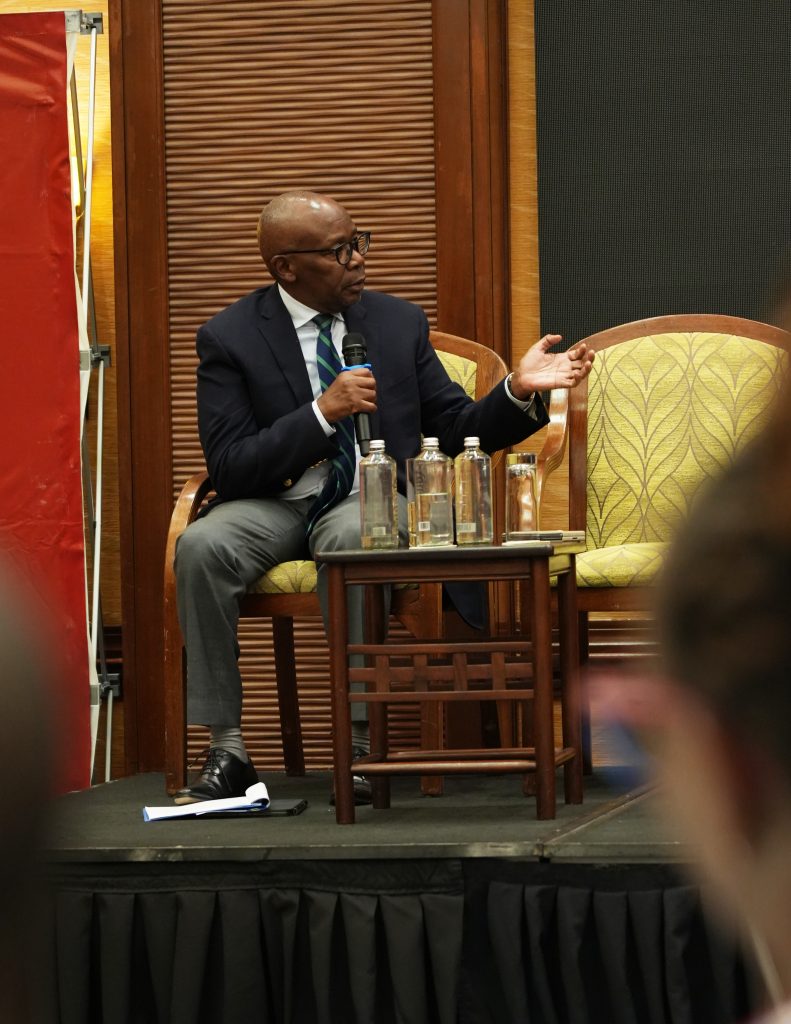
Prof. Githu Muigai, EGH, SC, FCIArb, C.Arb
Hon. Lady Justice Jacqueline Kamau, FCIArb, C.Arb
Dr. Cesar Pereira, FCIArb, C.Arb – Global President, CIArb
Charles Kanjama, FCIArb – President-Elect, Law Society of Kenya
Mr. Kanjama had been elected LSK President just a day earlier, making his reflections on professional responsibility particularly timely.
The theme suggested something dramatic. “Arbitration on Trial.” But as the discussion unfolded, it became clear that this was not an indictment. It was a moment of honest introspection.
Is Arbitration Really on Trial?
Early in the discussion, Prof. Githu Muigai clarified an important point. Arbitration is not collapsing. It is not being rejected wholesale. But it is under scrutiny.
And scrutiny is healthy.
Arbitration has always presented itself as efficient, flexible and driven by expertise. Parties choose it because they expect speed, confidentiality and neutrality. But when proceedings stretch for years, when costs escalate beyond expectations and when concerns arise about conflicts of interest, users begin to question whether arbitration still delivers what it promises.
Dr. Pereira framed the central question plainly: does arbitration deserve the trust it demands?
That question set the tone for the afternoon.
The Arbitration Ecosystem: Kenya’s Position
Prof. Wyne Mutuma: The Seat Is an Ecosystem
Prof. Wyne Mutuma shifted the discussion to Kenya’s role as a seat of arbitration. He made a point that deserves attention. A seat is not just a legal label. It is an ecosystem.
An effective arbitral seat requires:
A judiciary that understands arbitration and respects its autonomy
Practitioners who are trained specifically for arbitration, not just litigation
Institutional discipline and administrative efficiency
A professional culture rooted in integrity
He noted that the Chief Justice has expressed an intention to establish specialised courts to deal with ADR matters. While details are still emerging, the direction is clear. ADR is no longer a side mechanism. It is central to Kenya’s justice architecture.
This aligns with Article 159(2)(c) of the Constitution of Kenya 2010, which requires courts to promote alternative forms of dispute resolution.[2] Arbitration is not competing with the courts. It is part of the constitutional vision.
Prof. Mutuma also reflected on Kenya’s progress in investor-State arbitration. There was a time when State counsel did not fully appreciate the strategic importance of ADR. Today, Kenya has handled multiple difficult/complicated matters and built institutional knowledge. That progress strengthens investor confidence.
Still, he raised a concern that drew nods across the room. In some instances, fees and costs have become excessive. Awards on costs sometimes approach or even match the value of the dispute. When arbitration becomes as expensive as litigation, its comparative advantage weakens. The issue is not simply about money. It is about legitimacy.
Duration and Cost: A Global Reality Check
Dr. Pereira broadened the conversation beyond Kenya. He referred to data from the London Court of International Arbitration (LCIA) showing that the median duration of LCIA arbitrations now stands at around 20 months.[3] That figure, for many commercial users, feels long.
In investment arbitration, the concerns are even more pronounced. Historically, ICSID proceedings have taken several years to conclude. Reforms in the ICSID Arbitration Rules 2022 introduced tighter timelines, including stricter case management and enhanced disclosure obligations.[4]
But numbers alone do not tell the full story.
Part of the increase in duration has been attributed to procedural complexity and heightened due process standards. Parties are more aggressive. Counsel are more strategic. Applications multiply. Jurisdictional challenges become elaborate.
There was also discussion about what Dr. Pereira described as the “weaponisation” of procedure. In high-stakes disputes, delay can be a strategy. A party with greater financial capacity may benefit from stretching proceedings.
If arbitration becomes a battlefield of attrition, it risks losing its core appeal.
Conflicts of Interest and Double-Hatting
A particularly candid segment of the discussion revolved around conflicts of interest and repeat appointments in international arbitration.
The updated IBA Guidelines on Conflicts of Interest in International Arbitration (2024) provide detailed guidance on disclosure obligations and repeat appointments.[5] They emphasise that arbitrators have a continuing duty to disclose circumstances that may raise doubts about impartiality.
The phenomenon of “double-hatting” was discussed openly. This refers to individuals who act as arbitrators in some cases while serving as counsel in others, sometimes within the same institutional framework.[6]
Prof. Githu Muigai offered a nuanced perspective. In his view, acting both as arbitrator and counsel does not automatically create conflict. In fact, there can be professional synergy. Experience as counsel may help an arbitrator understand procedural dynamics. Experience as arbitrator may help counsel assist tribunals more effectively.
However, the concern is perception. Arbitration’s legitimacy depends not only on actual impartiality but on the appearance of impartiality.
The CIArb Guideline on Third-Party Funding (2025) also reflects this growing concern with transparency.[7] It emphasises disclosure of funding arrangements and recognises funders as relevant actors for conflict analysis.
The message was clear. Ethical standards must evolve alongside practice.
Transparency and Public Interest
Confidentiality has long been one of arbitration’s defining features. But it is not absolute.
In investor-State disputes, public interest issues frequently arise. Environmental regulation, public health, water rights and indigenous land claims cannot always be treated as purely private matters.
The UNCITRAL Rules on Transparency in Treaty-based Investor-State Arbitration (2014) allow for publication of key documents and open hearings in appropriate cases.[8]
The case of Methanex Corporation v United States of America marked a turning point when the tribunal accepted amicus curiae submissions from non-disputing parties.[9] That decision acknowledged that some arbitral disputes have broader public implications.
Dr. Pereira suggested that confidentiality protects parties, not arbitrators. If parties agree, redacted awards could be published to improve accountability without compromising sensitive commercial information. This way, we seek balance rather than abandonment of confidentiality.
The Constitutional Lens
Hon. Lady Justice Jacqueline Kamau
From the Bench, Hon. Lady Justice Jacqueline Kamau grounded the discussion in constitutional principle.
Under Article 1 of the Constitution of Kenya 2010, sovereign power belongs to the people.[10] All State authority is derived from that source.
At the same time, Article 165 grants the High Court supervisory jurisdiction over bodies exercising quasi-judicial authority.[11] Arbitral tribunals operate within this broader constitutional framework.
Section 10 of the Arbitration Act limits judicial intervention, reflecting the principle of arbitral autonomy. But that autonomy exists within a constitutional order.[12] Courts cannot ignore their supervisory role, particularly where procedural fairness or public policy concerns arise.
Justice Kamau emphasised complementarity. Arbitration eases the burden on courts. Efficient dispute resolution supports economic circulation. When commercial disputes are resolved promptly, capital re-enters the economy. In that sense, arbitration is not just a private mechanism. It has public impact.
Professional Responsibility and Access
Charles Kanjama, FCIArb, addressed the profession directly. Every profession has its weak actors. The solution is not denial. It is enforcement of standards.
He noted that institutional rules sometimes allow cost-capping. Yet counsel may hesitate because lower costs may mean reduced fees. That tension cannot be ignored.
He also raised an important structural issue. Why is arbitration perceived as reserved for high-value disputes? If arbitration is to expand, there must be innovation at the lower end. Streamlined procedures for disputes below a certain financial threshold could broaden access.
Access is not only about affordability. It is about perception.
Discipline and Institutional Accountability
Dr. Pereira acknowledged that disciplinary mechanisms within arbitral institutions have historically lacked visibility. If users are unaware of consequences for misconduct, confidence may weaken.
He indicated that CIArb is reviewing its disciplinary framework, including whether certain outcomes should be made public. Greater transparency in enforcement can strengthen institutional credibility.
Accountability, after all, is not an external imposition. It must be internalised.
Final Reflections
By the end of the session, one conclusion stood out.
Arbitration is not facing extinction. It is facing expectation.
Users expect speed. They expect fairness. They expect competence. They expect integrity.
Kenya, with constitutional backing for ADR (Article 159(2)(c), Constitution of Kenya 2010), an experienced bench, and a maturing professional community, is well positioned to respond to that expectation.
But trust is not inherited. It is maintained.
And that maintenance requires constant attention to standards, discipline, training and transparency.
That, perhaps, was the real message of the afternoon.
CIArb Kenya Branch Chairman FCS Jaqueline Waihenya expresses her deepest gratitude to all the valued partners, fellows, and members who attended the significant event of celebrating 40 Years of Excellence
From 5th -9th October, 337 people from 16 countries gathered at Diamond Leisure Lodge in Diani, Kenya, for TAKUKA 2026. Arbitrators, mediators, adjudicators, sitting judges, government officials and young practitioners
A landmark initiative to advance trade law harmonisation, strengthen Kenya’s global commercial standing, and create new opportunities for legal professionals, businesses and the next generation of African commercial lawyers. Nairobi
The Chartered Institute of Arbitrators (Ciarb), Kenya Branch, invites applications for its Commercial Mediation Training & Accreditation Programme, designed for professionals seeking practical mediation skills and a pathway towards becoming