Arbitration on Trial: Charges, Defense’s and Custodianship
Global President’s Lecture by Cesar Pereira
Delivered at the Chartered Institute of Arbitrators Kenya Branch | 20 February 2026 | Nairobi
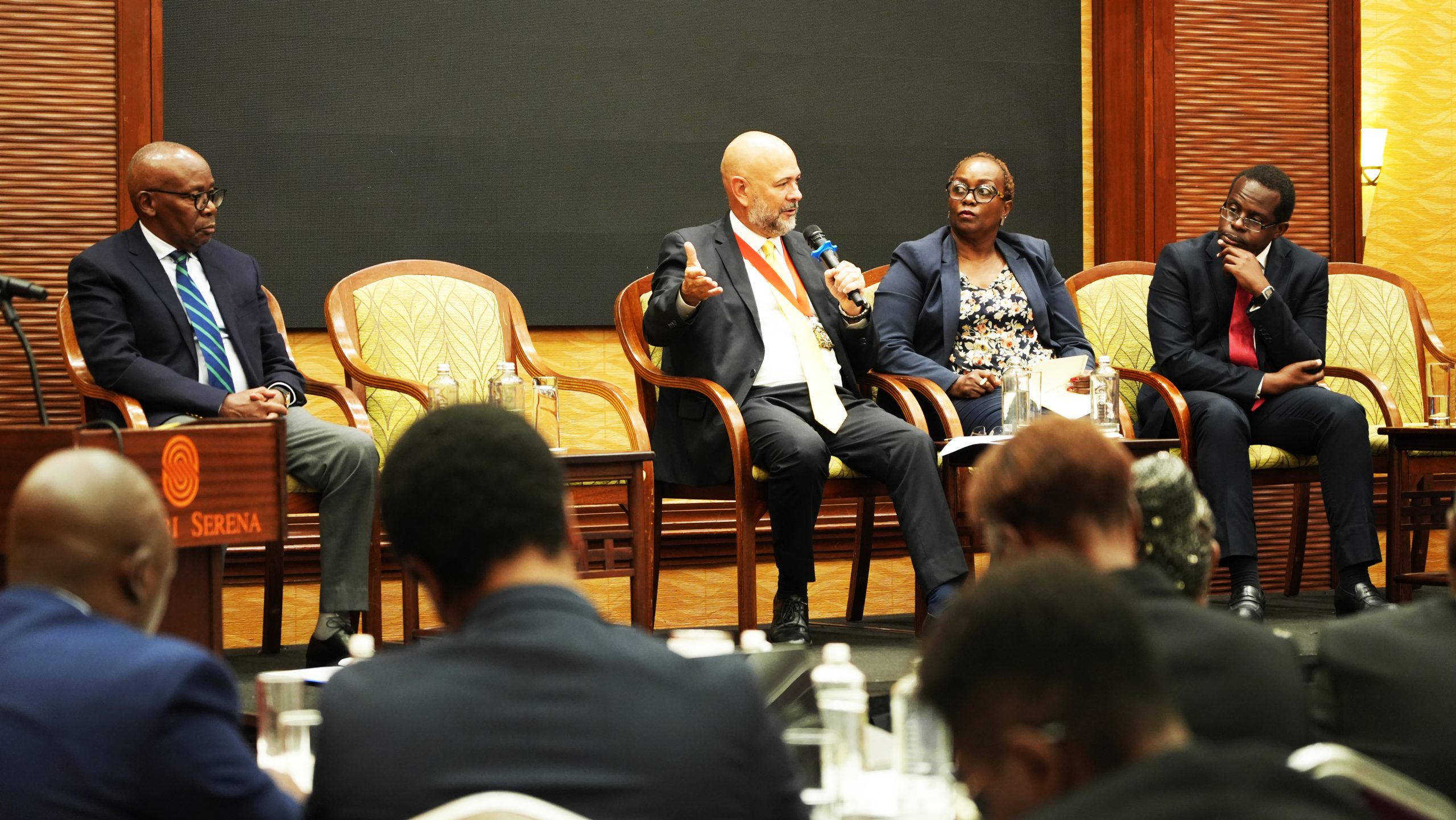
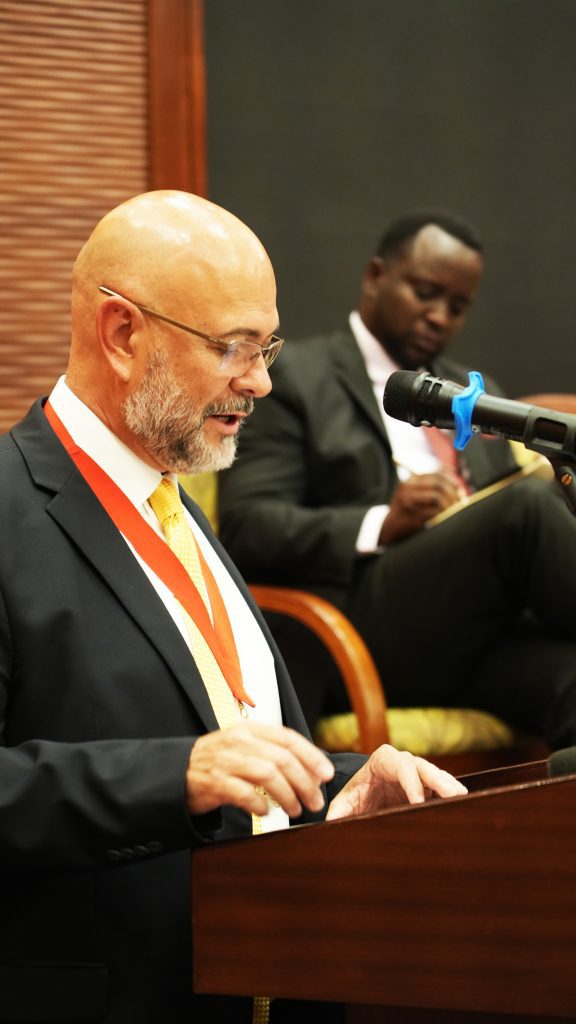
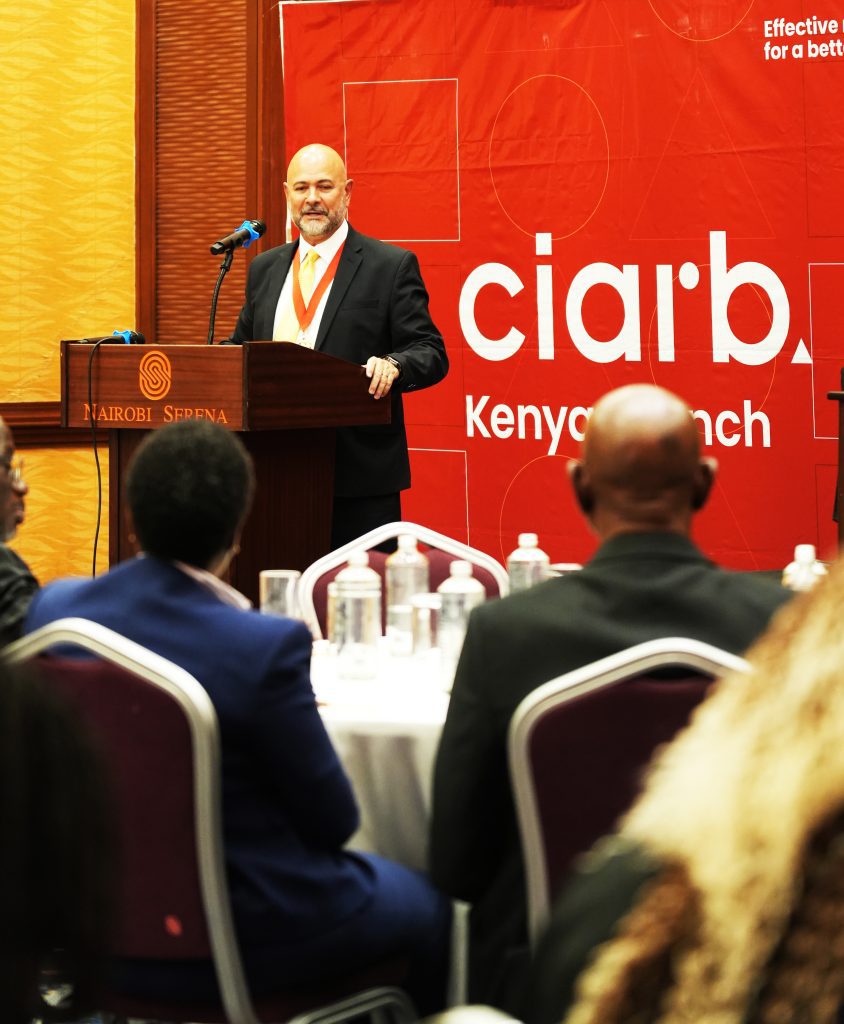
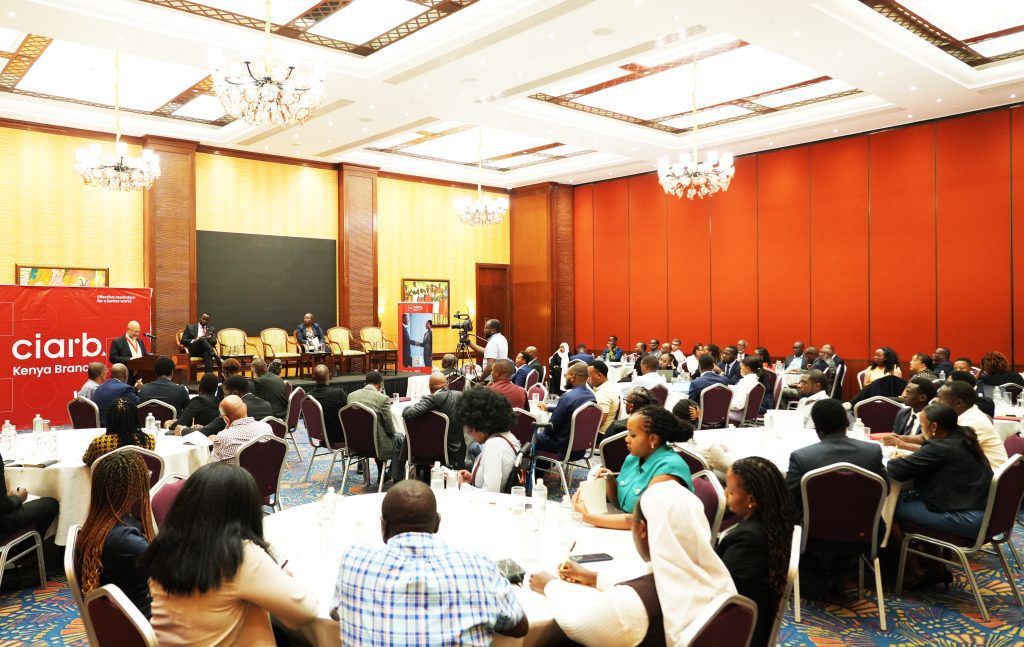
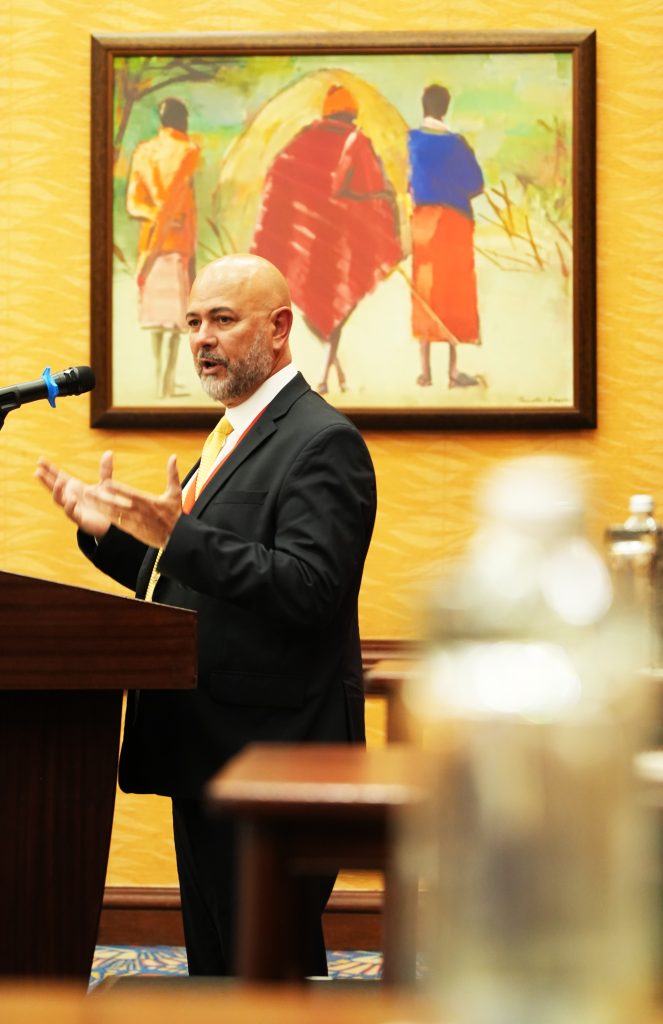
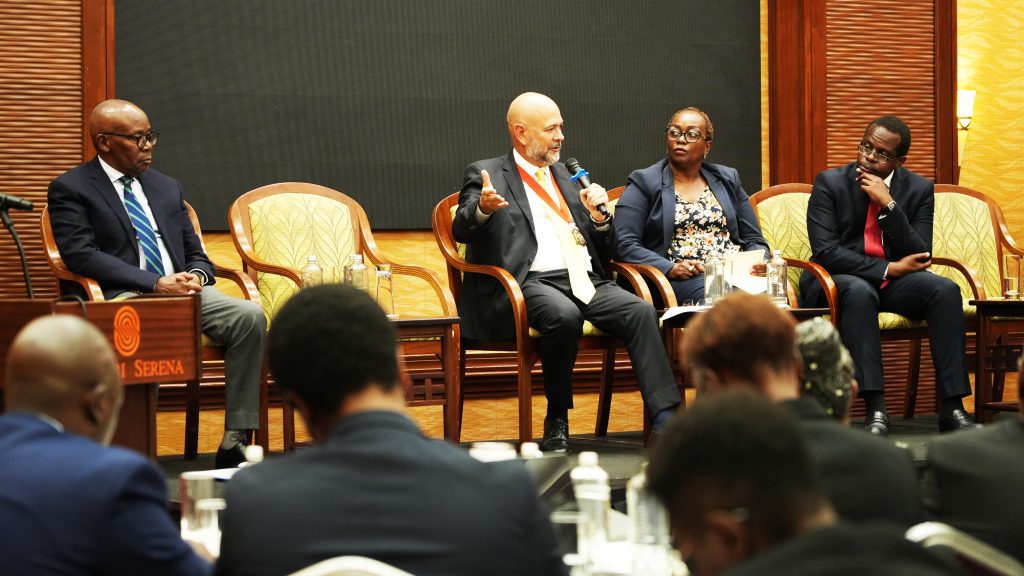
On 20 February 2026, the Kenya Branch had the distinct honour of hosting the Global President of the Chartered Institute of Arbitrators (CIArb), Cesar Pereira C.Arb FCIArb, for a lecture titled “Arbitration on Trial: Charges, Defences and Custodianship.”
In a thought-provoking and candid address, the President examined whether arbitration, as a system entrusted with resolving some of the world’s most complex disputes, continues to deserve the trust it demands.
The Charges Against Arbitration
Framing his lecture as a trial, President Pereira outlined four principal “charges” confronting modern arbitration.
1. Performance
Arbitration, he observed, was designed to be efficient and discreet. Yet data from leading institutions such as the London Court of International Arbitration (LCIA) and the International Chamber of Commerce (ICC) show increasing case duration and rising costs.
He identified two key drivers:
Due process paranoia — tribunals, wary of annulment risks, allow expansive procedural requests to avoid challenge.
Guerrilla tactics — parties weaponise procedure to delay and increase costs.
The result is a tension between fairness and efficiency, where excessive caution undermines arbitration’s original promise.
2. Institutional Accountability
In investor–state dispute settlement (ISDS), concerns about double-hatting, repeat appointments, and diversity continue to raise questions of legitimacy.
President Pereira highlighted the annulment in Eiser v. Spain at the International Centre for Settlement of Investment Disputes (ICSID), where a €128 million award was set aside due to undisclosed conflicts. The case underscored that perception can quickly become structural concern.
Accountability, he noted, is not merely about corruption — it is about maintaining public confidence in impartiality.
3. Public Accountability
With over 1,400 ISDS cases recorded by UNCTAD by the end of 2024, many involving developing states and claims exceeding USD 100 million, arbitration increasingly intersects with public policy.
Issues such as regulatory chill, limited transparency, and historically rare counterclaims have intensified scrutiny of investor–state arbitration.
4. Reason-Giving and Consistency
President Pereira pointed to divergent awards in cases such as CME v. Czech Republic and Lauder v. Czech Republic as emblematic of inconsistency risks. If similar treaty language applied to similar facts produces opposite outcomes, critics argue the system risks appearing person-driven rather than rule-driven.
The Defence: A System That Adapts
While acknowledging the merit of many criticisms, the President argued that arbitration is not static. It is evolving — both internally and under external pressure.
Ethical Reform
In July 2023, the United Nations Commission on International Trade Law (UNCITRAL) adopted a Code of Conduct for Adjudicators in International Investment Disputes, later endorsed by the UN General Assembly. The Code addresses:
Double-hatting
Cooling-off periods
Enhanced disclosure obligations
Ethical standards for adjudicators
In parallel, the International Bar Association (IBA) revised its Guidelines on Conflicts of Interest in 2024, addressing third-party funding and expanding investigative and waiver obligations to curb tactical conflict challenges.
These reforms demonstrate that the arbitral community is willing to regulate itself proactively.
Procedural Discipline
The 2022 overhaul of the International Centre for Settlement of Investment Disputes (ICSID) Arbitration Rules introduced:
Mandatory electronic filing
Stricter timelines
Early dismissal procedures
Expedited arbitration mechanisms
Mandatory disclosure of third-party funding
The message to tribunals is clear: equal opportunity to be heard does not mean endless opportunity.
Transparency and Public Participation
The United Nations Commission on International Trade Law UNCITRAL Rules on Transparency (effective 2014) reversed the presumption of confidentiality in treaty-based ISDS, allowing publication of key documents and public hearings.
The Mauritius Convention on Transparency further extended transparency to older treaties, though ratification remains limited.
The growing role of amicus curiae participation — first notably recognised in Methanex v. United States — reflects arbitration’s increasing engagement with public interest considerations.
External Pressure and Systemic Redesign
President Pereira also addressed reform driven from outside the arbitral community.
Notable developments include:
Urbaser v. Argentina — recognising corporate obligations under international law.
Burlington v. Ecuador and Perenco v. Ecuador — upholding environmental counterclaims.
Halliburton v. Chubb before the UK Supreme Court — clarifying arbitrators’ disclosure duties.
Achmea (2018), where the Court of Justice of the European Union invalidated intra-EU BIT arbitration clauses, reshaping the European arbitration landscape.
National courts, however, continue to enforce awards at high rates globally, demonstrating supervision rather than hostility.
The Historical Anchor: The Alabama Claims
President Pereira concluded with the 1872 Geneva arbitration of the Alabama Claims between the United States and Great Britain — a landmark moment when two powers submitted sovereign honour to arbitral determination rather than war.
That arbitration catalysed the establishment of the Permanent Court of Arbitration in 1899 and laid foundations for the modern international legal order.
Arbitration, he argued, has always been about trust.
The Role of CIArb: Custodian of Standards
Central to the lecture was the concept of custodianship.
Founded in 1915 and granted a Royal Charter in 1979, CIArb today serves nearly 20,000 members across approximately 150 jurisdictions through 44 branches worldwide.
CIArb’s custodial role rests on three pillars:
Setting standards — through Professional Practice Guidelines, including new 2025 guidance on Artificial Intelligence in Arbitration and Third-Party Funding.
Teaching standards — via structured training pathways and accreditation.
Enforcing standards — through a structured disciplinary framework, including peer review panels, disciplinary tribunals, and appellate oversight.
A profession, President Pereira emphasised, remains legitimate only if it can set, teach, and enforce standards with rigour.
The Verdict
The President’s conclusion was nuanced.
Arbitration is not “not guilty.” It faces serious and legitimate criticisms. But it has not retreated into defensiveness. It is codifying ethics, strengthening procedures, embracing transparency, and responding to judicial oversight.
Transformation, he noted, is not a moment — it is a discipline.
From Geneva in 1872 to Nairobi in 2026, arbitration’s legitimacy rests not on history alone, but on daily custodianship — on practitioners willing to uphold independence, accountability, and disciplined procedure.
As he closed:
“We will keep this precedent alive only if we earn it — through accountability, through ethics, and through the courage to regulate ourselves before others do it for us.”
The Kenya Branch was honoured to host this important lecture, which reaffirmed arbitration’s enduring role in resolving disputes — and the responsibility borne by its practitioners in safeguarding its future.
CIArb Kenya Branch Chairman FCS Jaqueline Waihenya expresses her deepest gratitude to all the valued partners, fellows, and members who attended the significant event of celebrating 40 Years of Excellence
From 5th -9th October, 337 people from 16 countries gathered at Diamond Leisure Lodge in Diani, Kenya, for TAKUKA 2026. Arbitrators, mediators, adjudicators, sitting judges, government officials and young practitioners
A landmark initiative to advance trade law harmonisation, strengthen Kenya’s global commercial standing, and create new opportunities for legal professionals, businesses and the next generation of African commercial lawyers. Nairobi
The Chartered Institute of Arbitrators (Ciarb), Kenya Branch, invites applications for its Commercial Mediation Training & Accreditation Programme, designed for professionals seeking practical mediation skills and a pathway towards becoming